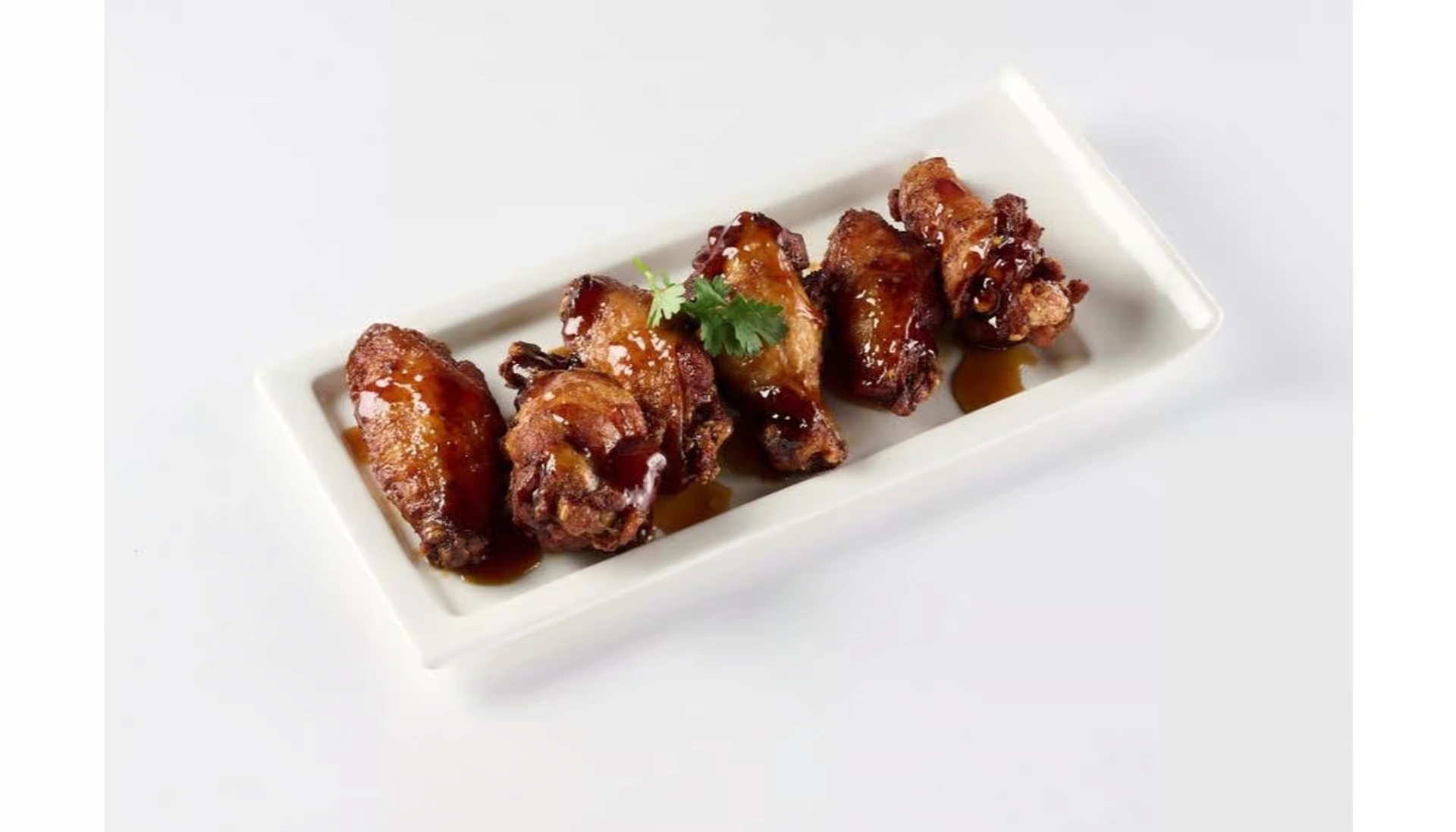
Category · 15 dishes

Ugly Dumpling From the Wok Menu — Fried Rice, Orange Chicken & 15 Wok Dishes (2026).

Browse the Ugly Dumpling From the Wok menu — fifteen dishes off the carbon-steel wok: five fried rice variations, the Sichuan kung pao trio, the great American-Chinese classics (orange chicken, Mongolian beef, beef & broccoli) and the kitchen's signature Shredded Beef & Shishito Peppers. The biggest, most variety-packed category on the entire menu.
15 dishes$12 – $19Largest categoryHigh-heat wok
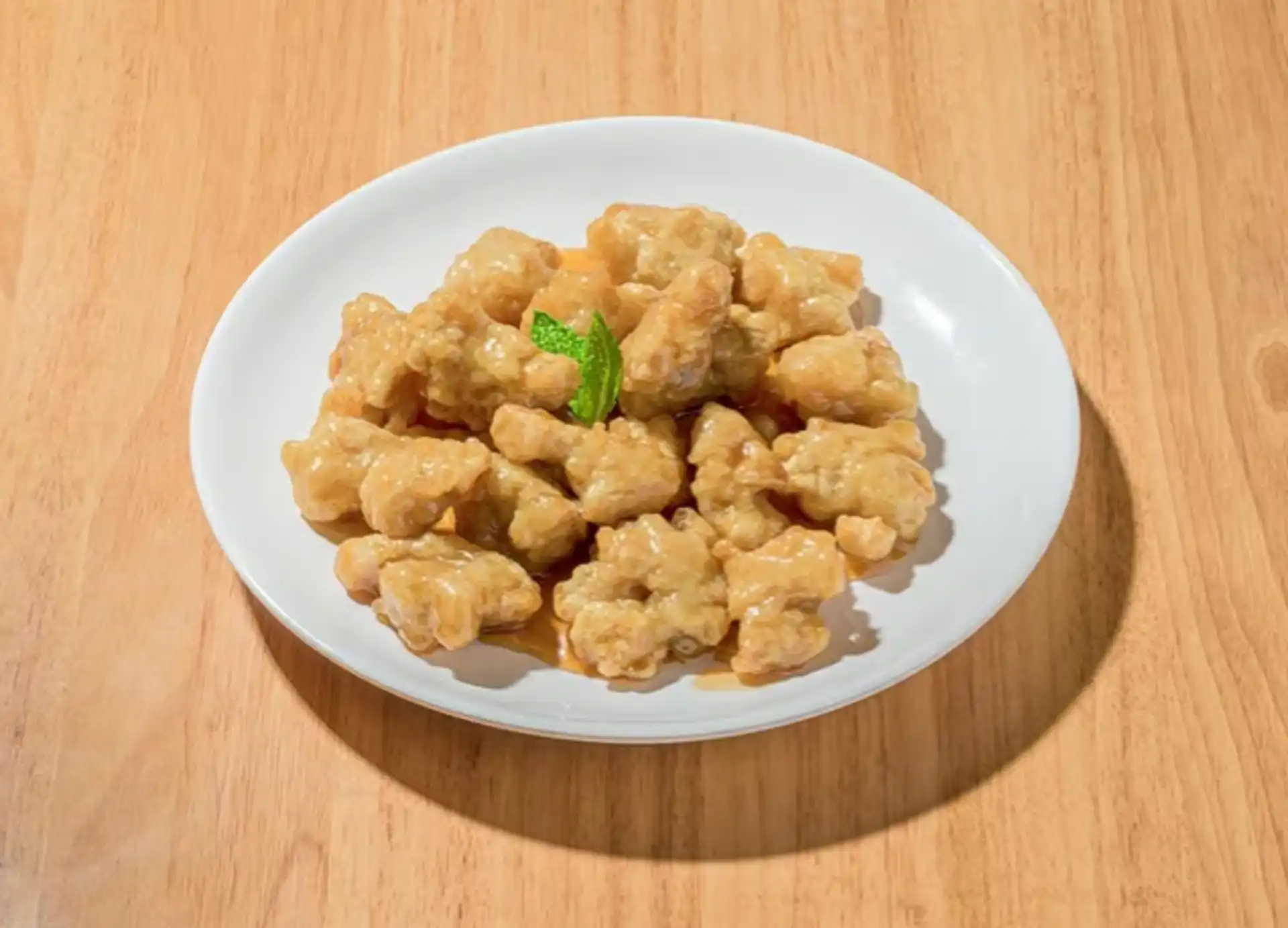
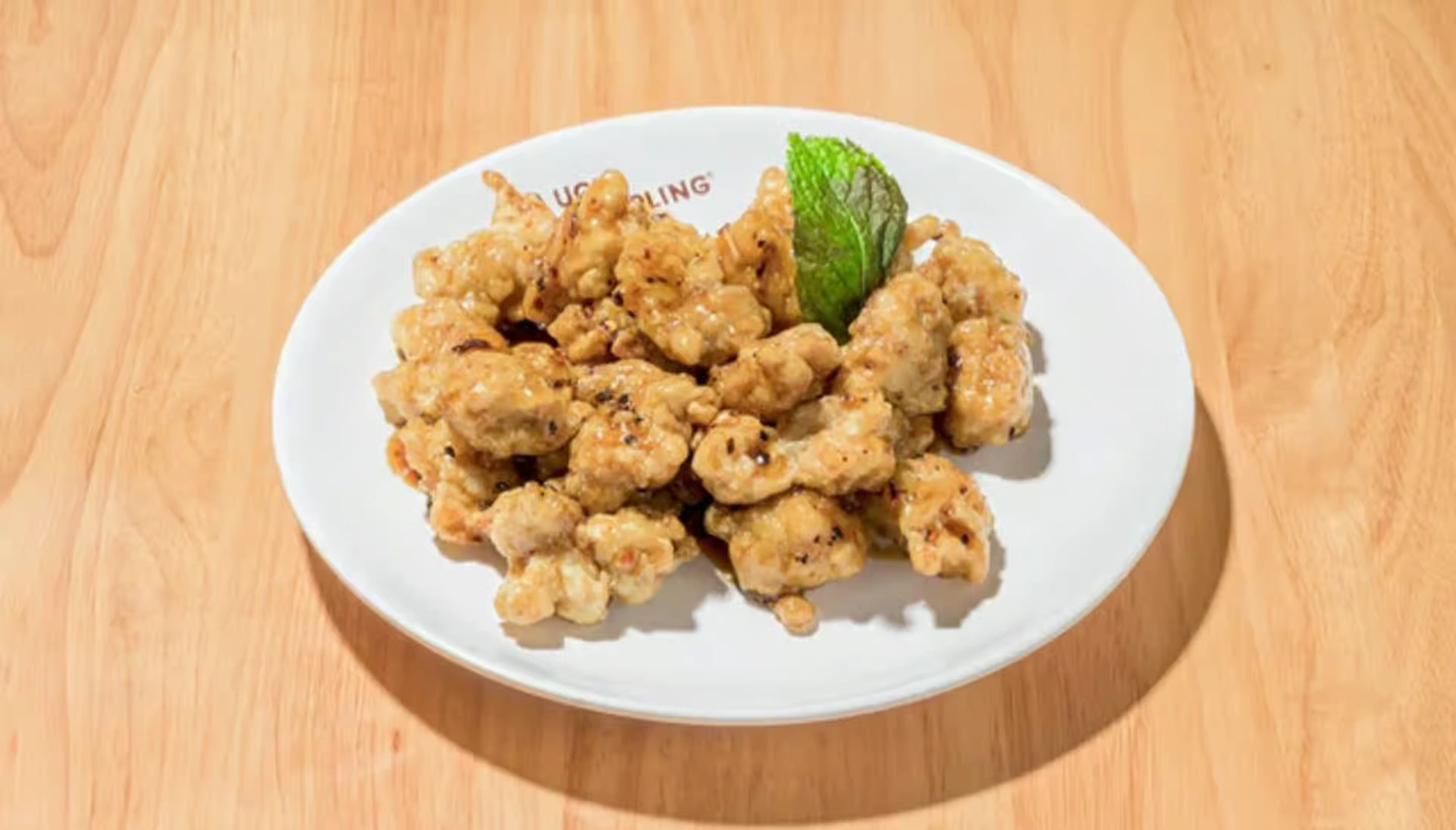
Orange chicken — crispy fried chicken in tangy orange glaze
Category overview

Ugly Dumpling wok dishes — fried rice, stir-fries & Sichuan.

If soup dumplings are the brand's flagship, the wok is the engine. Fifteen dishes split across three subgroups: fried rice (5 options, $12–$16), American-Chinese classics (orange chicken, sweet & sour, Mongolian beef, beef & broccoli, chicken & broccoli — 5 dishes, $13–$19) and Sichuan-leaning signatures (the kung pao trio, shredded beef & shishito, shrimp & broccoli — 5 dishes, $14–$18).

The kitchen's pride is wok hei (鑊氣) — the breath of the wok, the smoky, charred fragrance that only comes from extreme high-heat cooking on carbon steel. It's the difference between a stir-fry that tastes like Chinese take-out and one that tastes like dinner at a real Cantonese restaurant. Wok hei is fragile: it lasts about 90 seconds out of the wok before it dulls. That's why every wok dish here is fired to ticket — never pre-batched, never microwaved.

If you order one wok dish per visit: the consensus pick is Orange Chicken ($16) or Mongolian Beef ($19) for first-timers, the Shredded Beef & Shishito ($14) for the Sichuan-curious, and one of the fried rice dishes if you want a single-bowl meal. The fried rice doubles as a "table base" — many tables order one fried rice and two protein dishes to share.

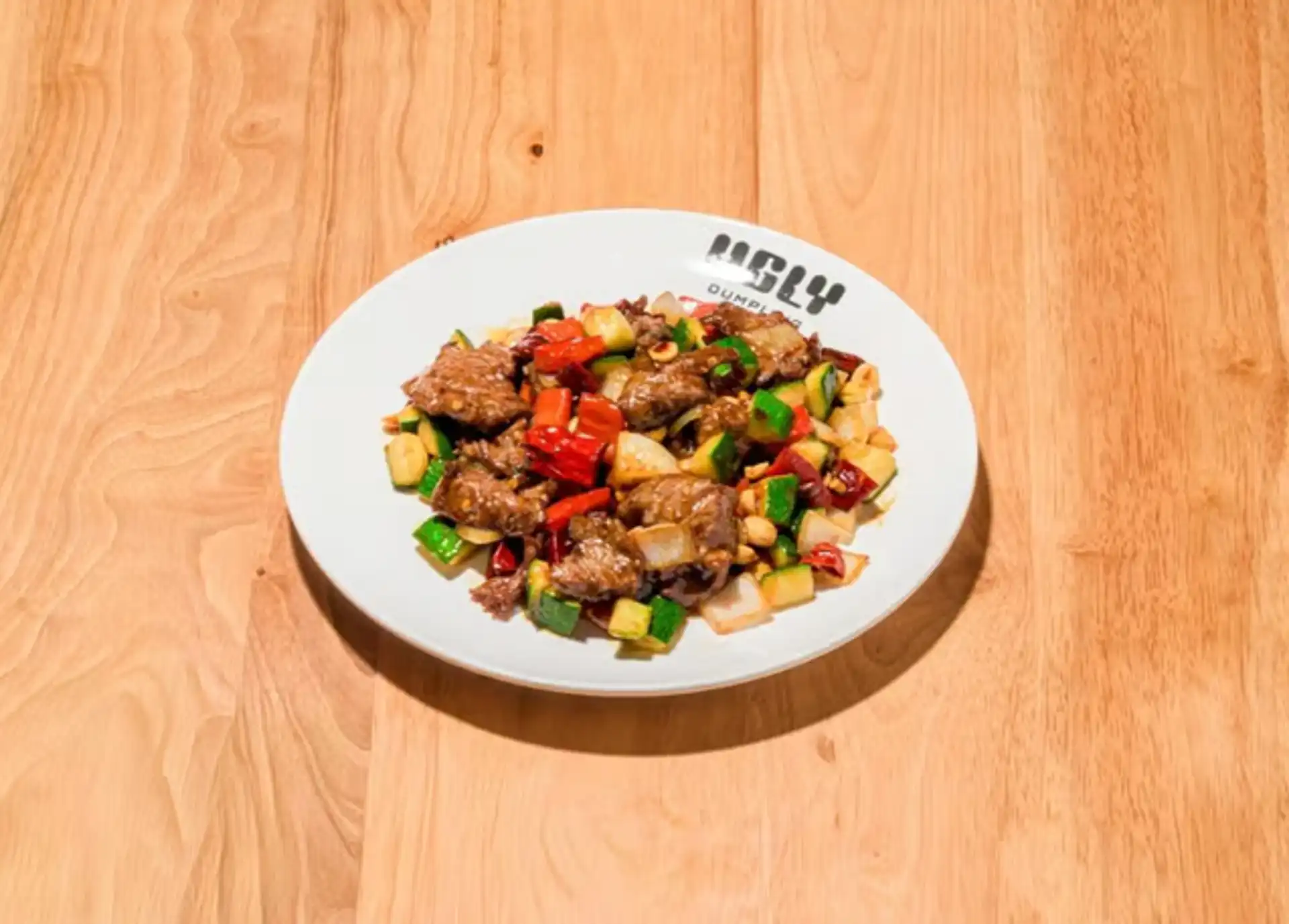
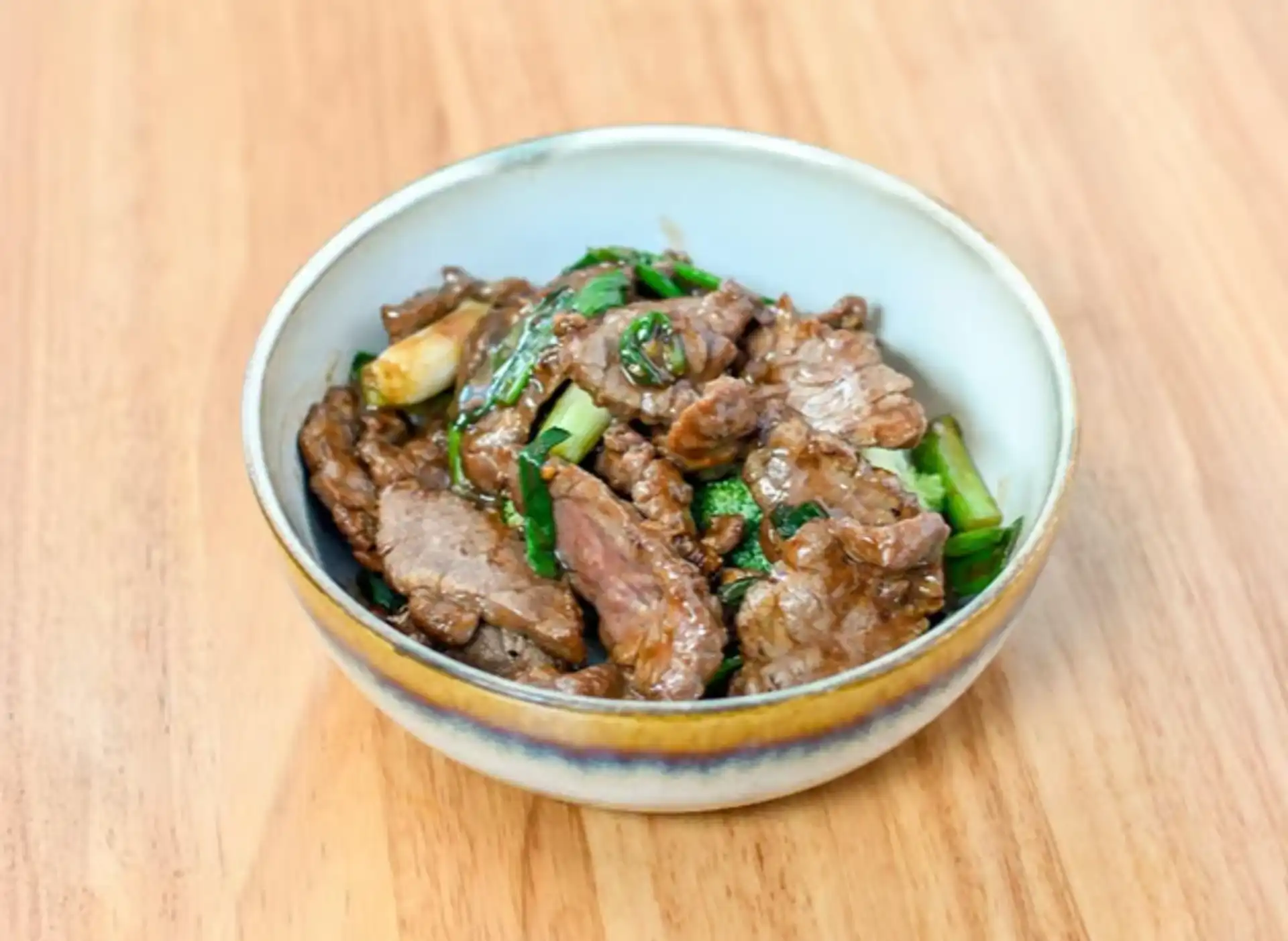
Mongolian beef — wok-seared beef in sweet-savory soy glaze
All 15 wok dishes

Every Ugly Dumpling from the wok dish with 2026 prices.

Grouped by type — fried rice, American-Chinese classics and Sichuan signatures.

Fried Rice (5)

American-Chinese Classics (5)

Sichuan Signatures (5)

Side-by-side

Compare every Ugly Dumpling wok dish.

Protein, sauce profile, heat, calories and price — fifteen dishes ranked by price.

DishProteinSauce profileHeat~CalDietPrice
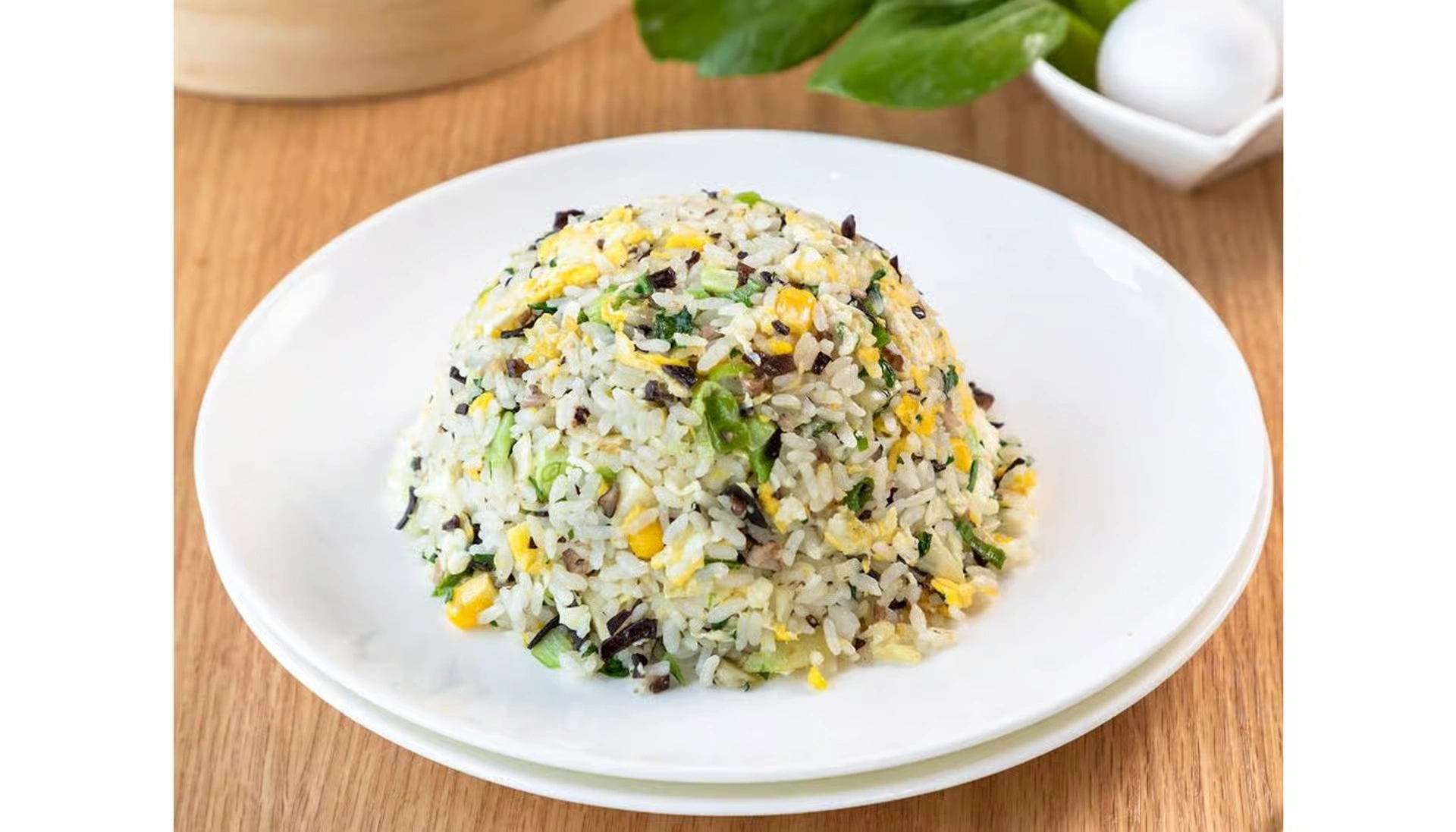
Vegetable Fried RiceMixed vegSoy / wok hei540Vegan · GF$12
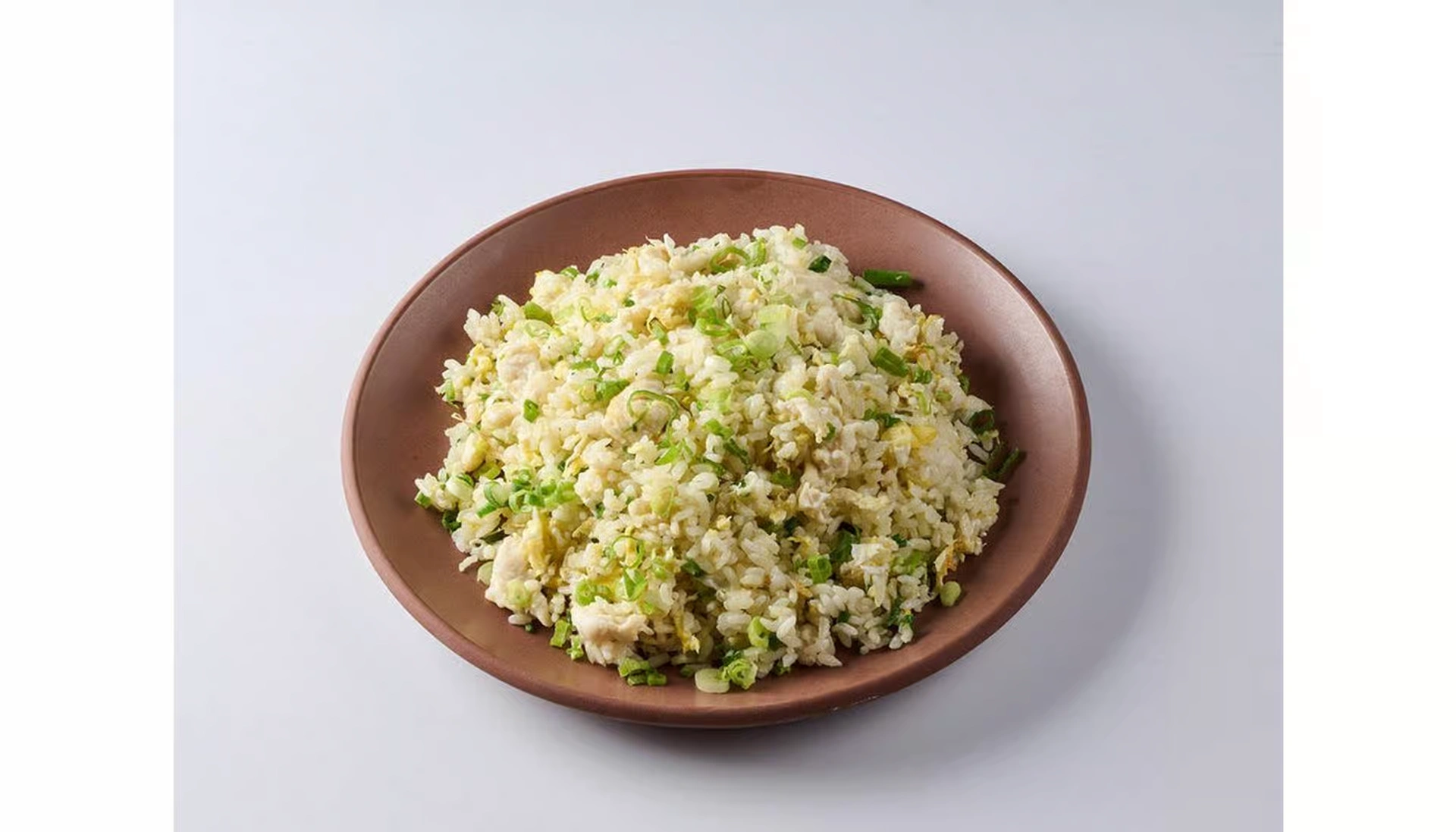
Chicken Fried RiceChickenSoy / wok hei620GF$12
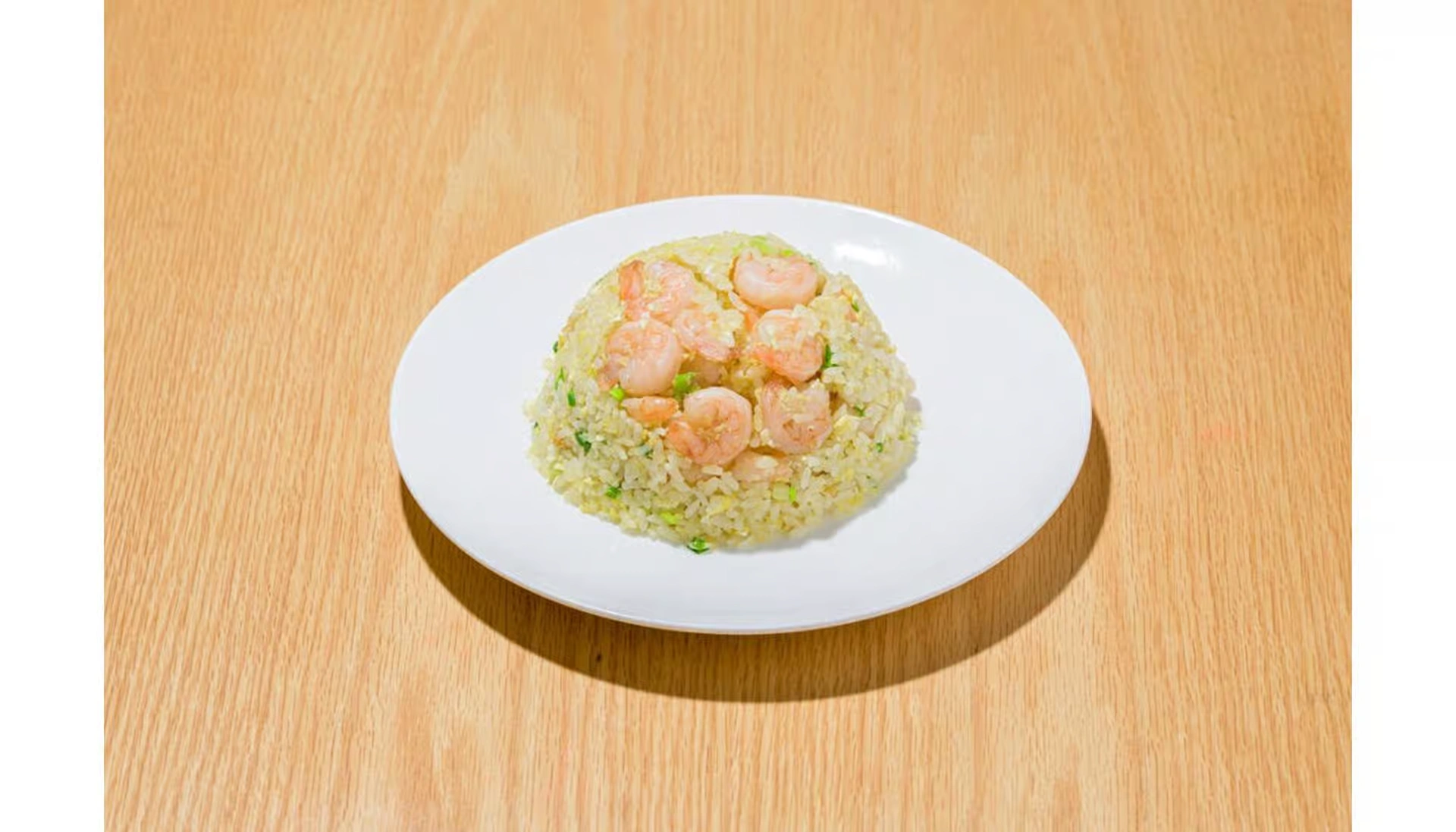
Shrimp Fried RiceShrimpSoy / wok hei600GF$13
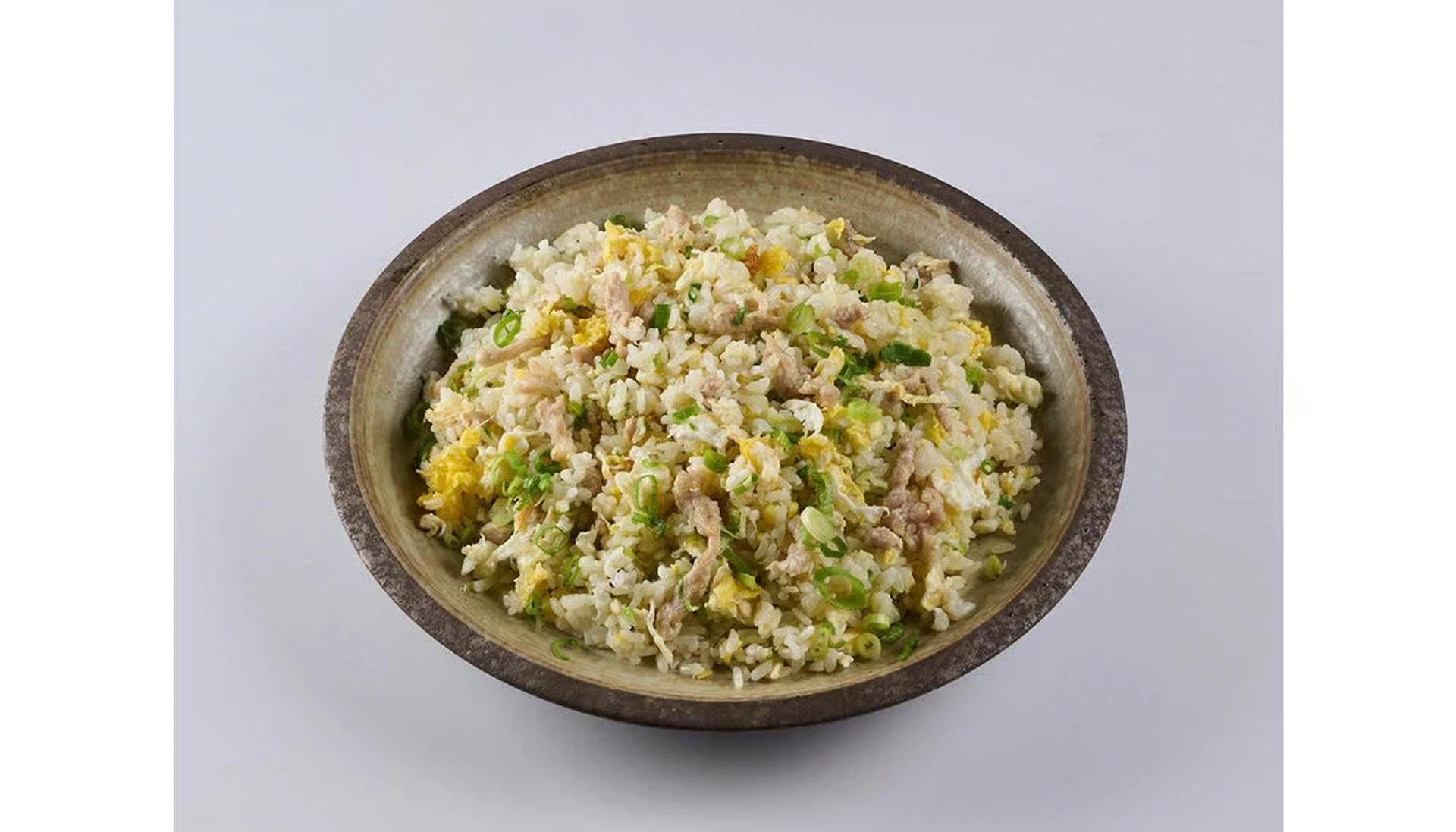
Shredded Beef Fried RiceCrispy beefSoy / wok hei680$13
Sweet & Sour ChickenChickenSweet & sour720$13
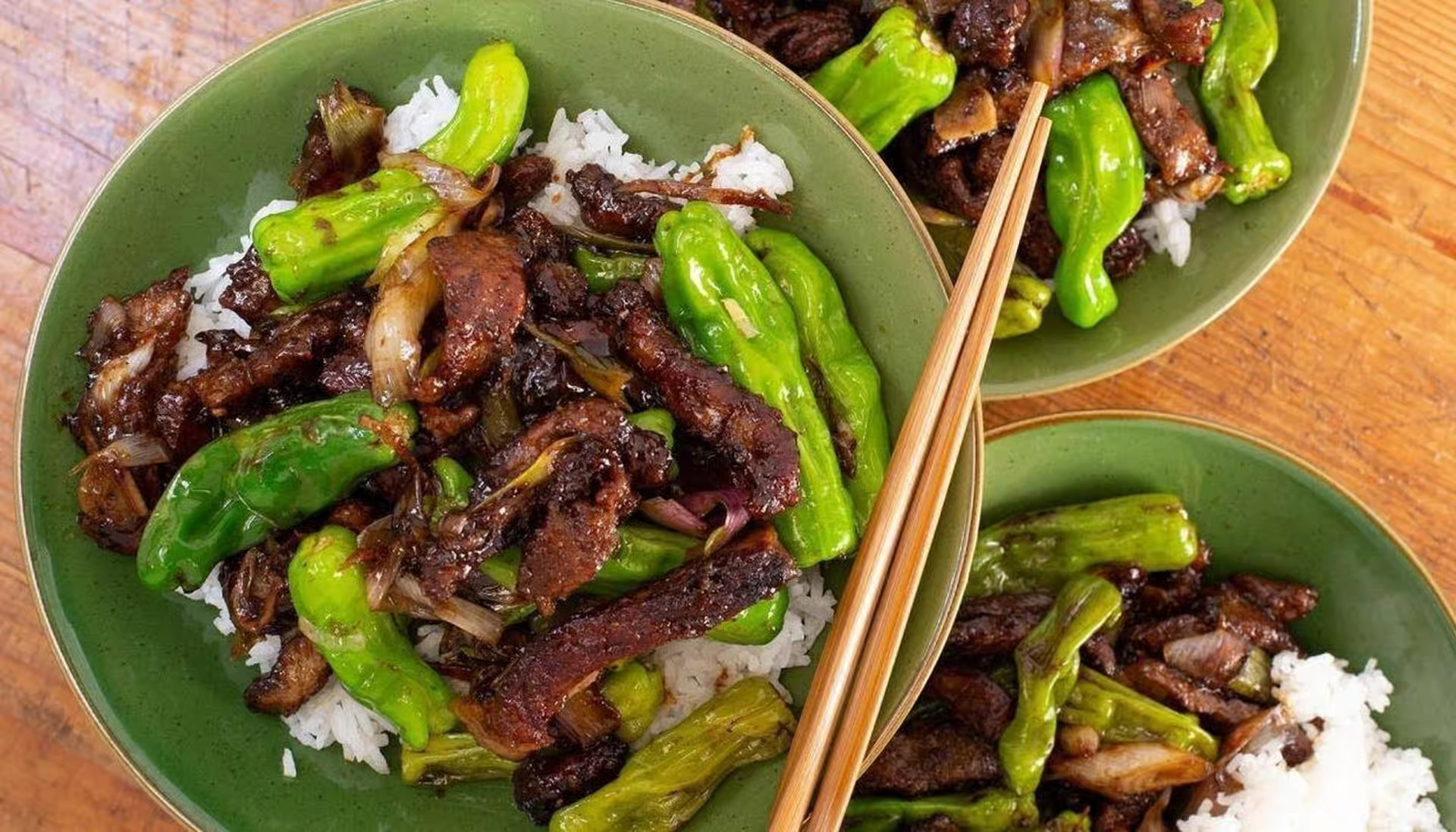
Shredded Beef & ShishitoCrispy beefSichuan / pepper●●○○○650$14
Kung Pao BeefBeefSichuan / chili●●●○○680$15
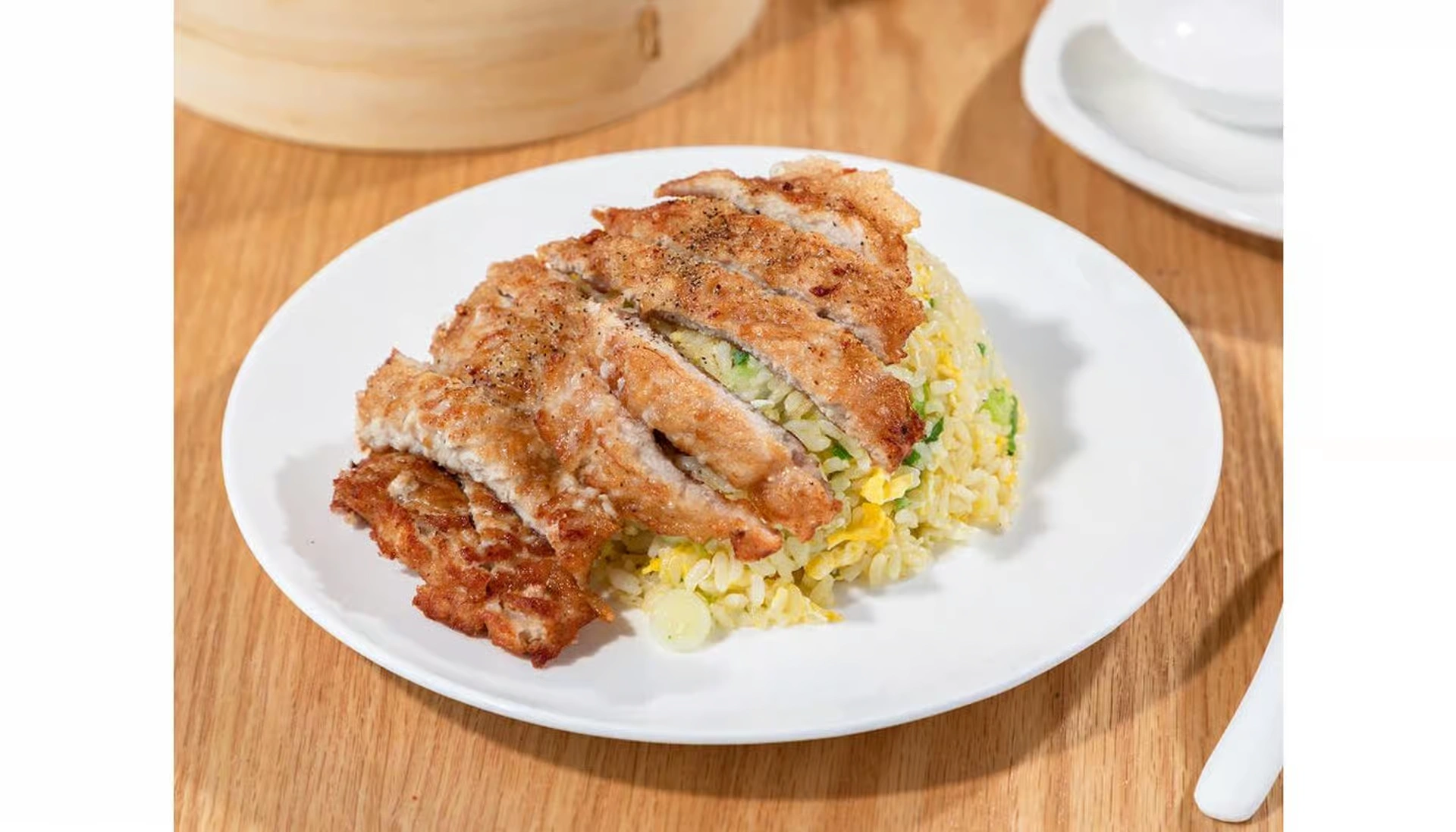
Pork Chop Fried RiceFried pork chopSoy / wok hei820$16
Orange ChickenChickenOrange / sweet760$16
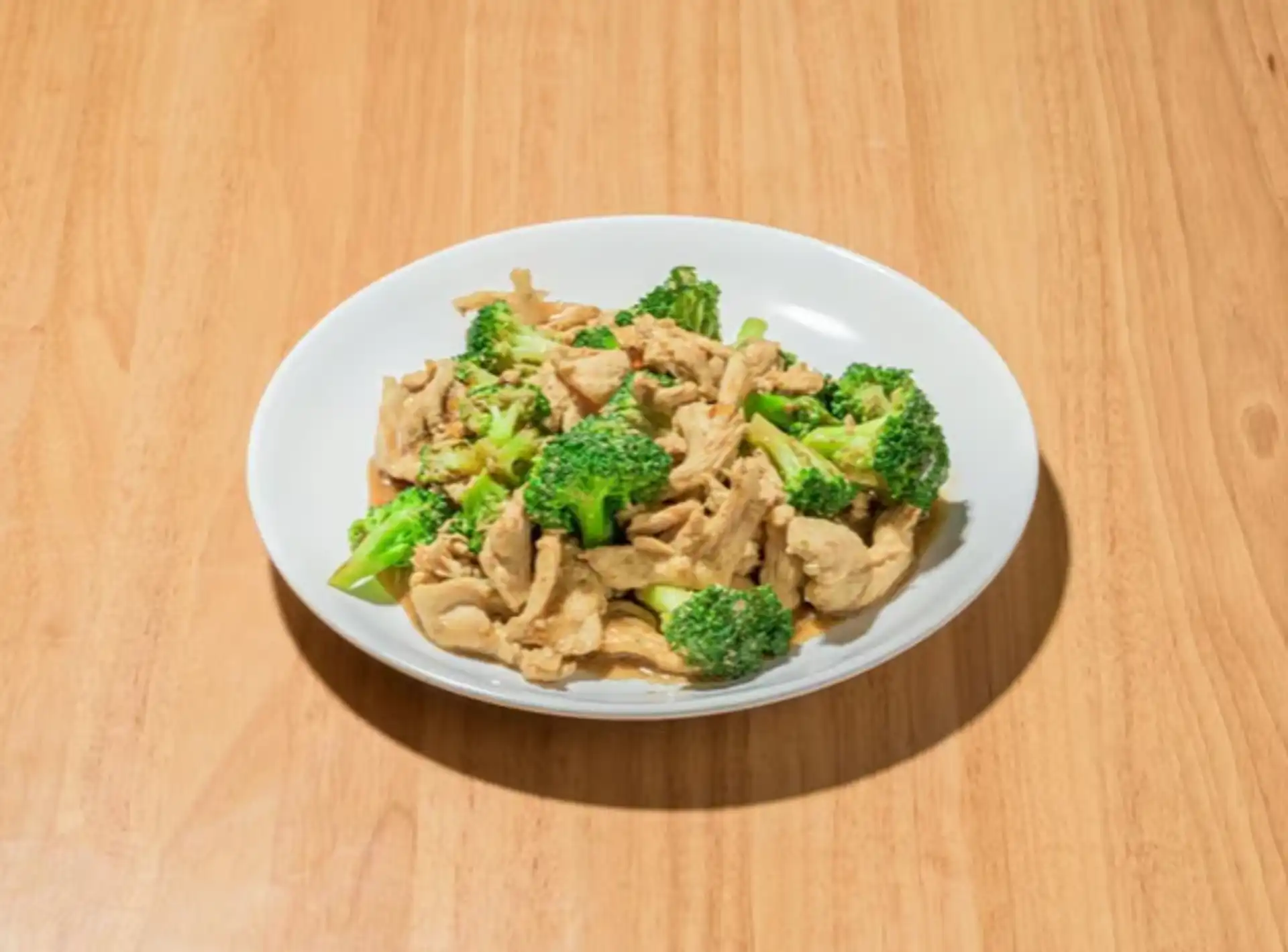
Chicken & BroccoliChickenBrown sauce580$16
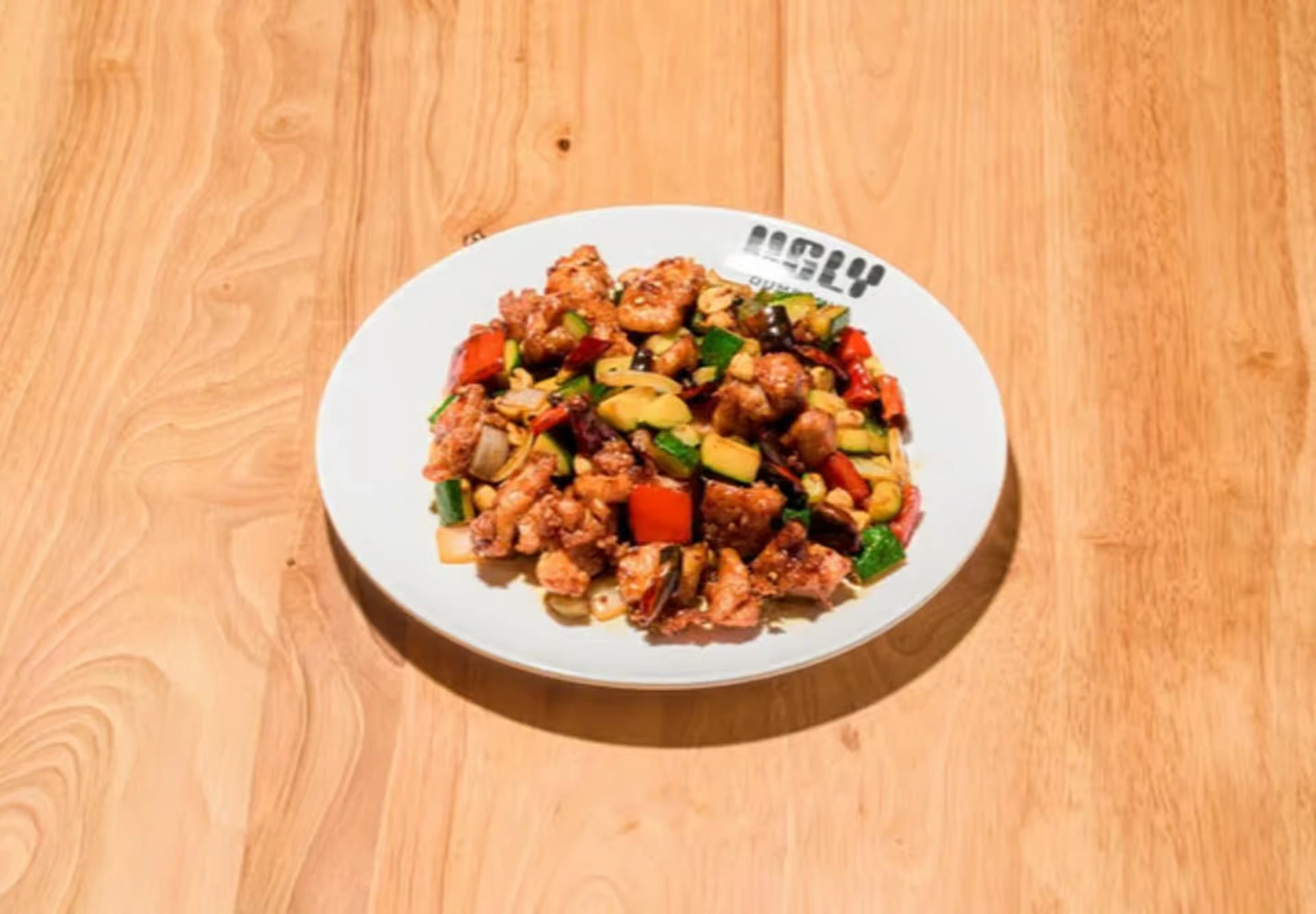
Kung Pao ChickenChickenSichuan / chili●●●○○620$16
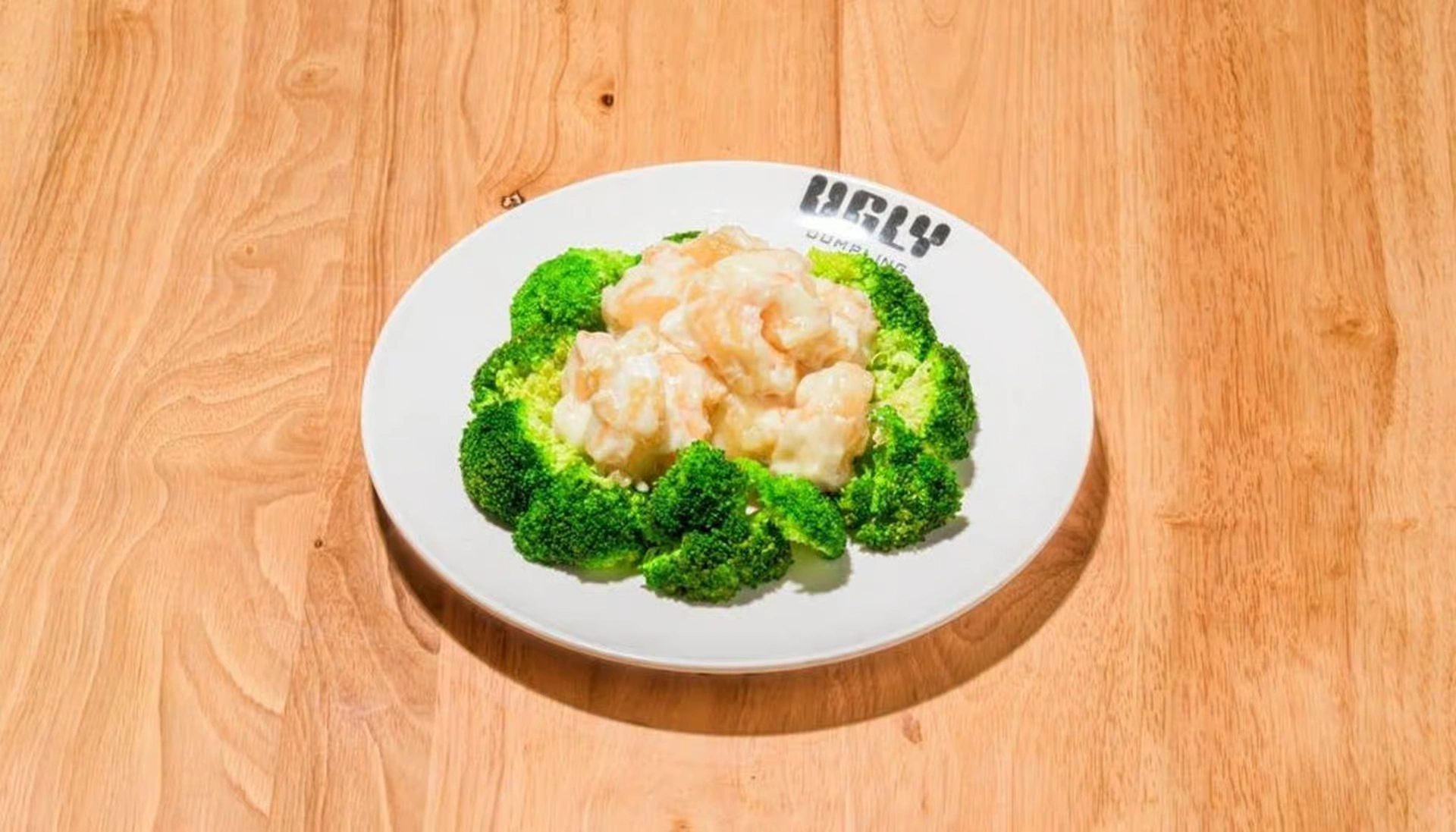
Shrimp & BroccoliShrimpLight savory490$18
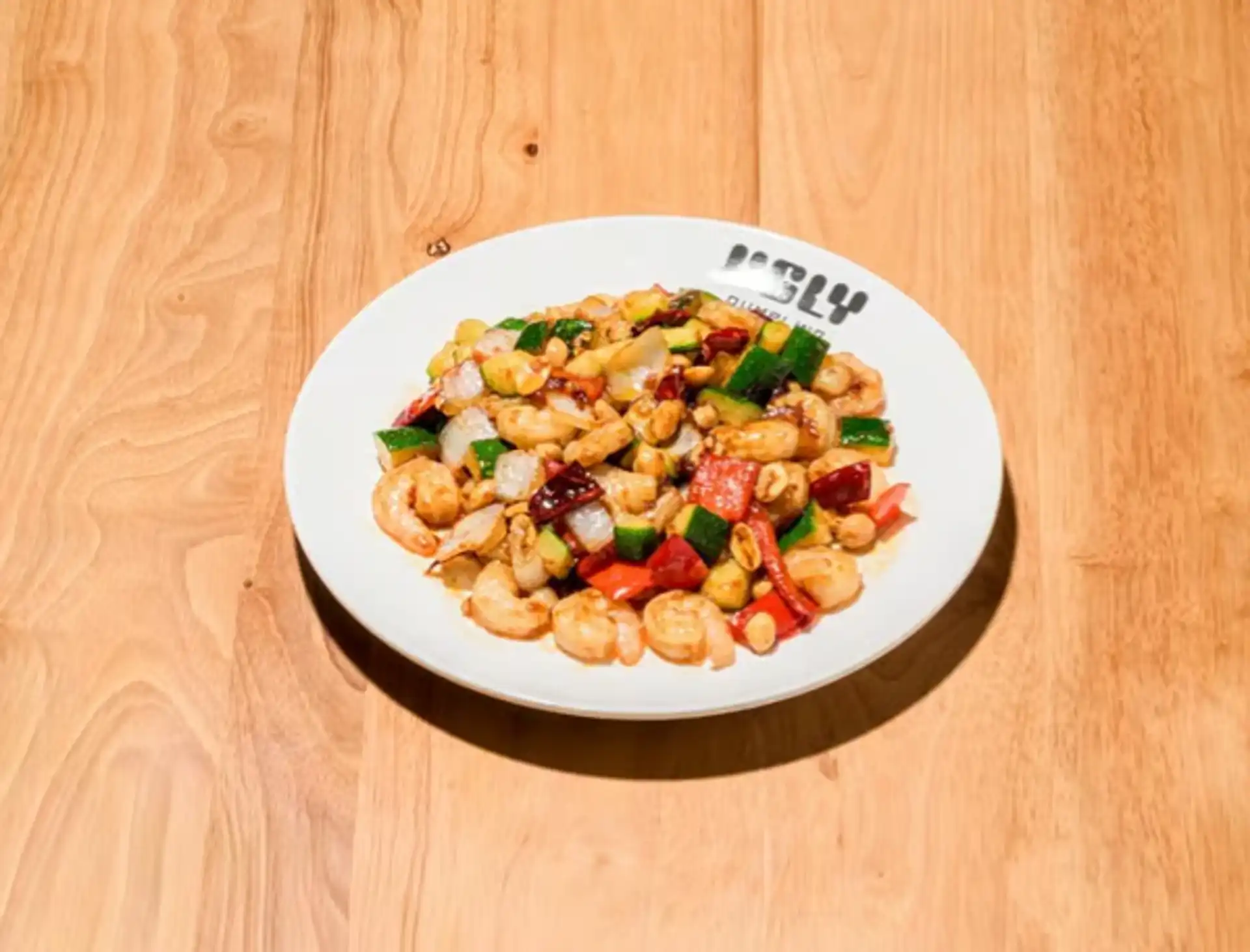
Kung Pao ShrimpShrimpSichuan / chili●●●○○580$18
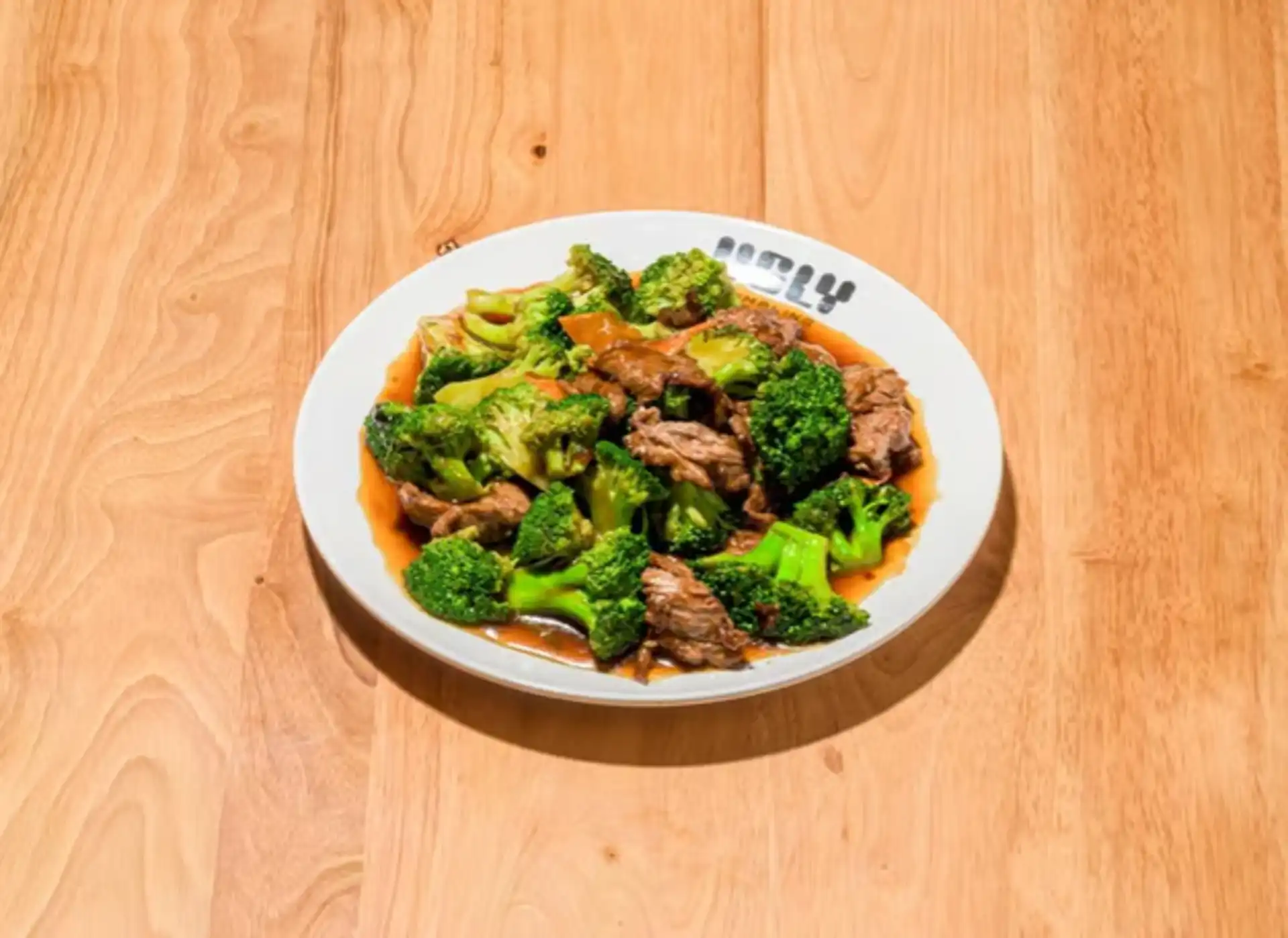
Beef & BroccoliBeefBrown sauce640$19
Mongolian BeefBeefSweet-savory soy700$19

Calories include the full plate as served, before adding rice on the side.

Wok hei explained

Why wok food has to be eaten fast.

The smoky char that defines a great stir-fry is incredibly fragile. Four habits make every wok dish taste the way the kitchen intended.

1

Eat off the plate, not the take-out box

Wok hei dies in 90 seconds. Dine-in always tastes better than delivery for this category — if you must order out, eat within 8 minutes of pickup.

2

Pair one rice + one protein dish

The optimal sharing structure is 1 fried rice + 1 stir-fry per 2 people. The rice carries sauce; the protein gives the wok its identity.

3

Hot sauces don't go on the plate

Add chili oil to a small dipping bowl, not directly to the dish — sauces are calibrated; you can't subtract heat once it's in.

4

Save the bottom of the bowl

The most concentrated wok hei flavor pools at the bottom of the plate. Spoon it onto rice for the best last bite.

The good stuff

What to know before you order.

Pick your sauce profile in 10 seconds

  • Sweet: Orange Chicken, Mongolian Beef, Sweet & Sour
  • Savory / soy-driven: Beef & Broccoli, Chicken & Broccoli
  • Spicy / Sichuan: Kung Pao trio, Shredded Beef & Shishito
  • Wok hei / clean: All five fried rice plates, Shrimp & Broccoli

Pairing suggestions

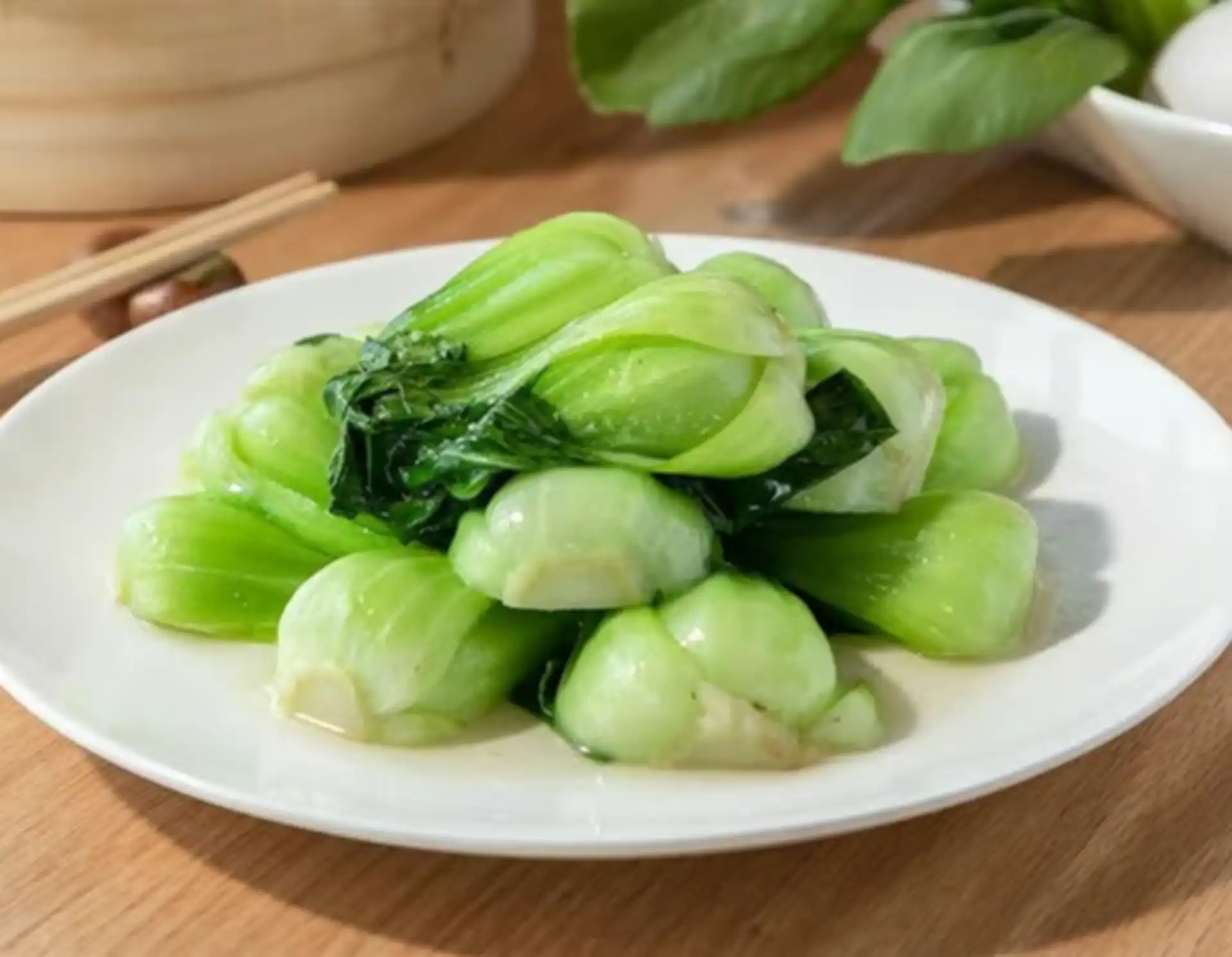
  • Mongolian Beef + Pork XLB + Bok Choy — the iconic three-course Chinese-American dinner.
  • Kung Pao Chicken + White Rice — the Sichuan-purist single bowl, $19 total.
  • Shredded Beef Shishito + Truffle XLB — earthy + savory + chili, the chef's-tasting combo.
  • Orange Chicken + Spring Rolls + Fried Rice — the kid-friendly family combo, $32.

Allergen quick reference

Wok dishes universally contain: soy. Most contain: wheat (in soy sauce / batter). Sweet & Sour, Orange Chicken — wheat batter on the protein.

Shellfish: Shrimp Fried Rice, Kung Pao Shrimp, Shrimp & Broccoli. Peanuts: all three Kung Pao dishes.

Gluten-free: Vegetable Fried Rice, Chicken Fried Rice and Shrimp Fried Rice are made with tamari at the kitchen's GF stations. Verify at order — soy-sauce substitution is requested per ticket.

Portion & ordering math

  • One person: 1 fried rice ($12–$16) — single-bowl meal
  • Two people: 1 fried rice + 1 protein dish (~$28–$32)
  • Family of 4: 2 fried rice + 2 protein dishes + 1 green = ~$66
  • Lowest-cost full plate: Vegetable Fried Rice ($12)
  • Highest-impact dinner-for-two: Mongolian Beef ($19) + Kung Pao Chicken ($16) + Vegetable Fried Rice ($12) = $47
Best for...

Which wok dish should you order?

Six diner profiles, six clear answers.

Best for first-timers

Orange Chicken ($16) — the most familiar Chinese-American flavor, no surprises.

$

Best value

Chicken Fried Rice ($12) — full single-bowl meal for the lowest cost on the wok page.

Best for date night

Mongolian Beef ($19) — glossy caramelized beef, premium plate, photographs well.

🌶

Best for spice fans

Kung Pao Chicken ($16) — Sichuan peppercorn tingle, three of five heat.

🌱

Best vegan

Vegetable Fried Rice ($12) — the only fully vegan + GF wok dish.

Best signature

Shredded Beef & Shishito ($14) — kitchen-defining, blistered peppers, crispy beef strands.

Kung pao chicken — Sichuan classic with peanuts and chili
A short history

The wok dish lineup, decoded.

The fifteen-dish wok page is a map of how Chinese food crossed the Pacific. Kung pao chicken (宫保鸡丁 gōng bǎo jī dīng) traces to a Qing-dynasty governor of Sichuan named Ding Baozhen, whose private chef created the dish around 1870. Mongolian beef is — confusingly — a Taiwanese invention from the 1950s, named to evoke "Mongolian BBQ" without any real Mongolian heritage. Orange chicken was created at Panda Express in 1987 — pure Chinese-American, less than 40 years old.

The kitchen's signature shredded beef & shishito draws from Sichuan's gan bian niu rou si (干煸牛肉丝), a dry-fried beef classic, and adapts it with Japanese shishito peppers — a fusion that's only emerged at modern Sichuan-American restaurants in the past decade.

The five fried rice plates trace to Cantonese Yangzhou-style fried rice, the Han-dynasty originator (~206 BCE) of the technique of using day-old rice. The pork chop on top variant is Taiwanese diner food — popularized in NYC and California by Taiwanese-American restaurateurs in the 1990s.

FAQs

Ugly Dumpling From the Wok Menu — Frequently Asked Questions

What's wok hei and why does it matter?
Wok hei (鑊氣) is the smoky, slightly charred flavor that develops when food briefly sears against extremely hot carbon steel. It's the difference between competent stir-fry and great stir-fry — and it's why Ugly Dumpling fires every wok dish to ticket. Wok hei dulls within ~90 seconds of plating; eat the dish hot.
Can the kung pao dishes be made less spicy?
Most locations will reduce the chili load on request. Sichuan peppercorn (the tingling sensation) can also be adjusted separately. Ask for "mild" or "no Sichuan peppercorn" at order. The flavor profile changes meaningfully without the peppercorn — you'll taste a more straightforward chili stir-fry.
Are any wok dishes truly gluten-free?
Three: Vegetable Fried Rice, Chicken Fried Rice and Shrimp Fried Rice can be prepared gluten-free using tamari instead of soy sauce. Confirm at order — the kitchen needs to switch sauce stations and the request is per-ticket.
What's the difference between Mongolian beef, beef & broccoli, and shredded beef?
Mongolian beef uses sliced flank in a sweet soy reduction with scallions only. Beef & broccoli is the same flank in a savory brown sauce with broccoli. Shredded beef is the dry-fried Sichuan technique — beef cut into thin strands and crisped — used in both the shishito version and the fried rice.
Should I order white rice with my wok dish?
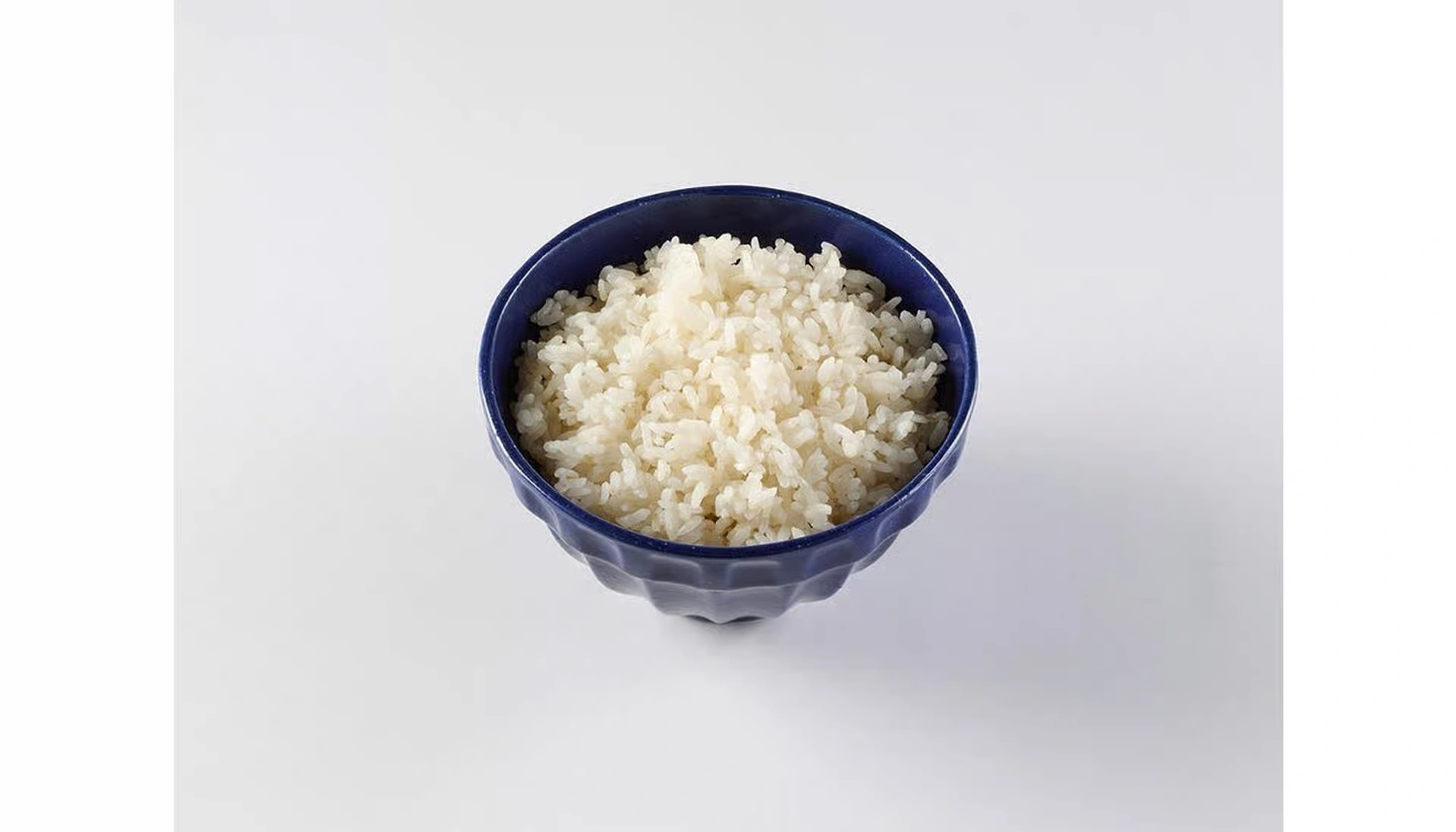
Yes — most non-fried-rice wok dishes are sauced for rice. White Rice ($3) is the canonical pairing for kung pao, beef & broccoli, Mongolian beef and orange chicken. Skip rice if you're already ordering one of the five fried rice plates.
How are the wok dishes plated for take-out vs dine-in?
Same recipe, different vessel. Dine-in plates land on white china in 4–6 minutes; take-out goes into kraft boxes lined to absorb the wok oil. Take-out wok hei is noticeably weaker — eat take-out within 8 minutes of pickup or expect about a 30% flavor drop.

Fifteen wok dishes. Pick a sauce profile and add rice.

Try the Orange Chicken →