From the Wok · Sichuan · Shellfish
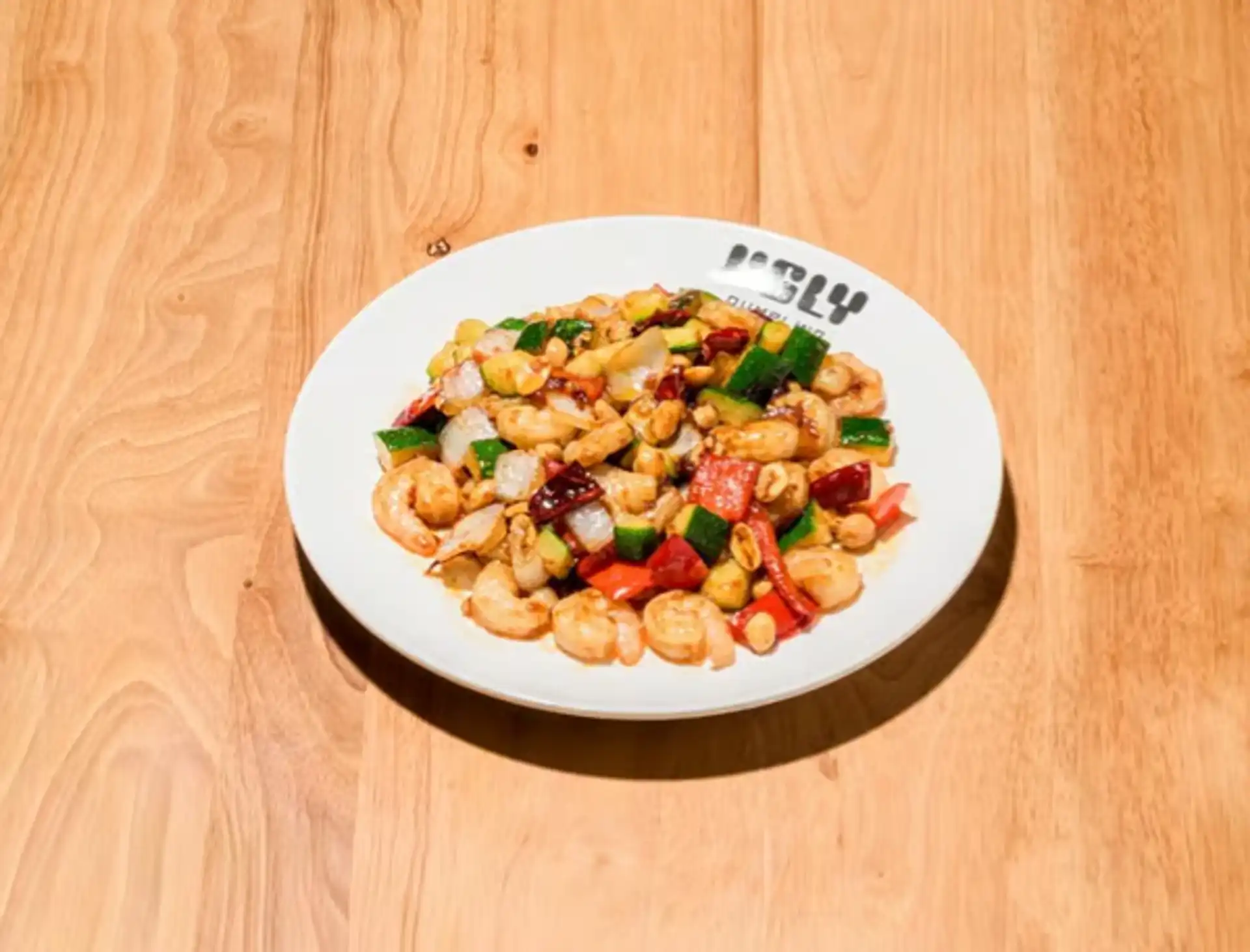
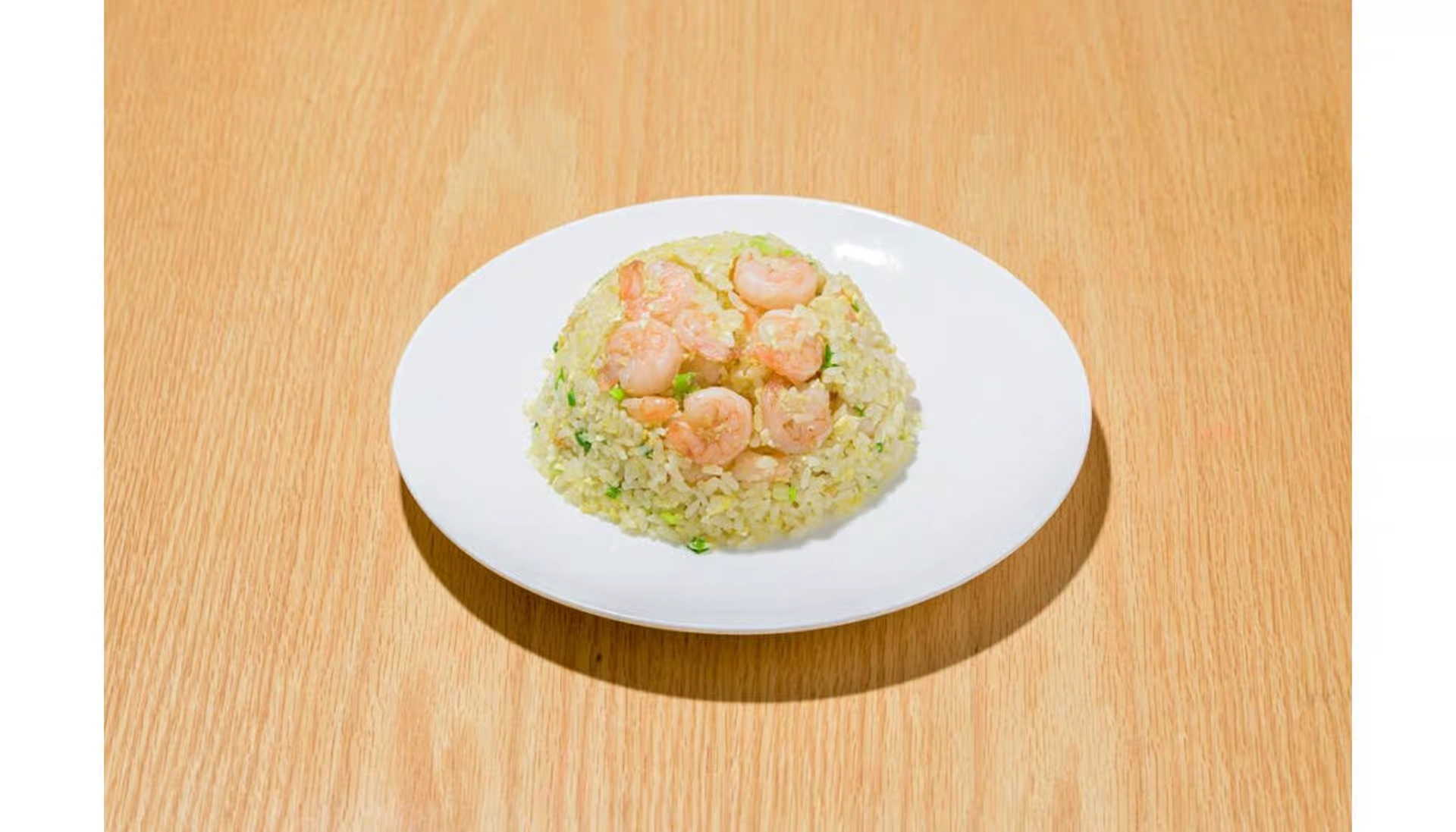
Kung pao shrimp with peanuts, dried chilies and Sichuan peppercorn. The priciest of the kung pao trio at $18 — shrimp carries the spicy-sweet sauce differently than chicken or beef, with a snappier texture and lighter richness.
Across the kung pao trio at Ugly Dumpling, the shrimp version is the most technically demanding to cook and the most texturally interesting to eat. Shrimp goes from raw to perfectly cooked in about 90 seconds in a hot wok — past that, it becomes rubbery and loses the snap that makes it worth paying $18 for. The kitchen's ability to cook shrimp correctly at wok speed is what justifies the price premium over the chicken version.
The texture difference is the central story of this dish. Chicken and beef, when diced and wok-fried, both have a softer bite. Shrimp has a firm, yielding snap — the physical sensation when you bite through a properly cooked shrimp is satisfying in a way that protein cubes aren't. Against the crunch of peanuts and the chew of dried chili peppers, the shrimp snap creates a multi-texture bite that makes each mouthful more interesting.
The flavor profile is lighter than the beef version. Shrimp has a natural sweetness and brininess that comes through the kung pao sauce rather than being overwhelmed by it. The sauce's soy-vinegar-sugar balance and the Sichuan peppercorn's ma la buzz are the same as in the other versions — but with shrimp, you notice the sauce more because the protein isn't competing with it.
At $18, it's the most expensive kung pao option and $3 more than Kung Pao Beef. Add White Rice ($3) on the side — the full meal comes to $21, the highest all-in price in the kung pao section, but justified by the quality of properly executed shrimp.
Per full order (dish only, not including rice). Figures are estimates; actual values may vary.
| Nutrient | Amount |
|---|---|
| Calories | 460 |
| Protein | 30 g |
| Carbohydrates | 38 g |
| Fat | 20 g |
| Sodium | 960 mg |
Contains Peanuts, Shellfish/Shrimp, Soy, and Wheat. Not suitable for peanut or shellfish allergies — both are core ingredients. Not gluten-free. The lowest-calorie kung pao option at 460 calories, also lowest fat at 20g.
Order White Rice ($3) on the side. Total with rice: $21. Plain steamed rice is essential with all Sichuan dishes — it moderates the cumulative peppercorn effect and gives the sauce somewhere to land between bites of shrimp.
Shrimp cooked correctly in a wok has a firm, clean snap that chicken and beef can't replicate. The contrast against peanut crunch and dried chili chew makes this the most texturally complex kung pao of the three.
Shrimp's natural sweetness and brininess come through the kung pao sauce rather than being absorbed by it. You taste the sauce more clearly with shrimp than with beef or chicken — the balance of soy, vinegar, and sugar is more apparent.
At 460 calories and 20g fat, it's the leanest of the three kung pao dishes. Shrimp is naturally low in fat — the peanuts and sauce provide most of the fat content. Best option for calorie-conscious spice lovers.