Category · 2 sides
Ugly Dumpling Sides Menu.
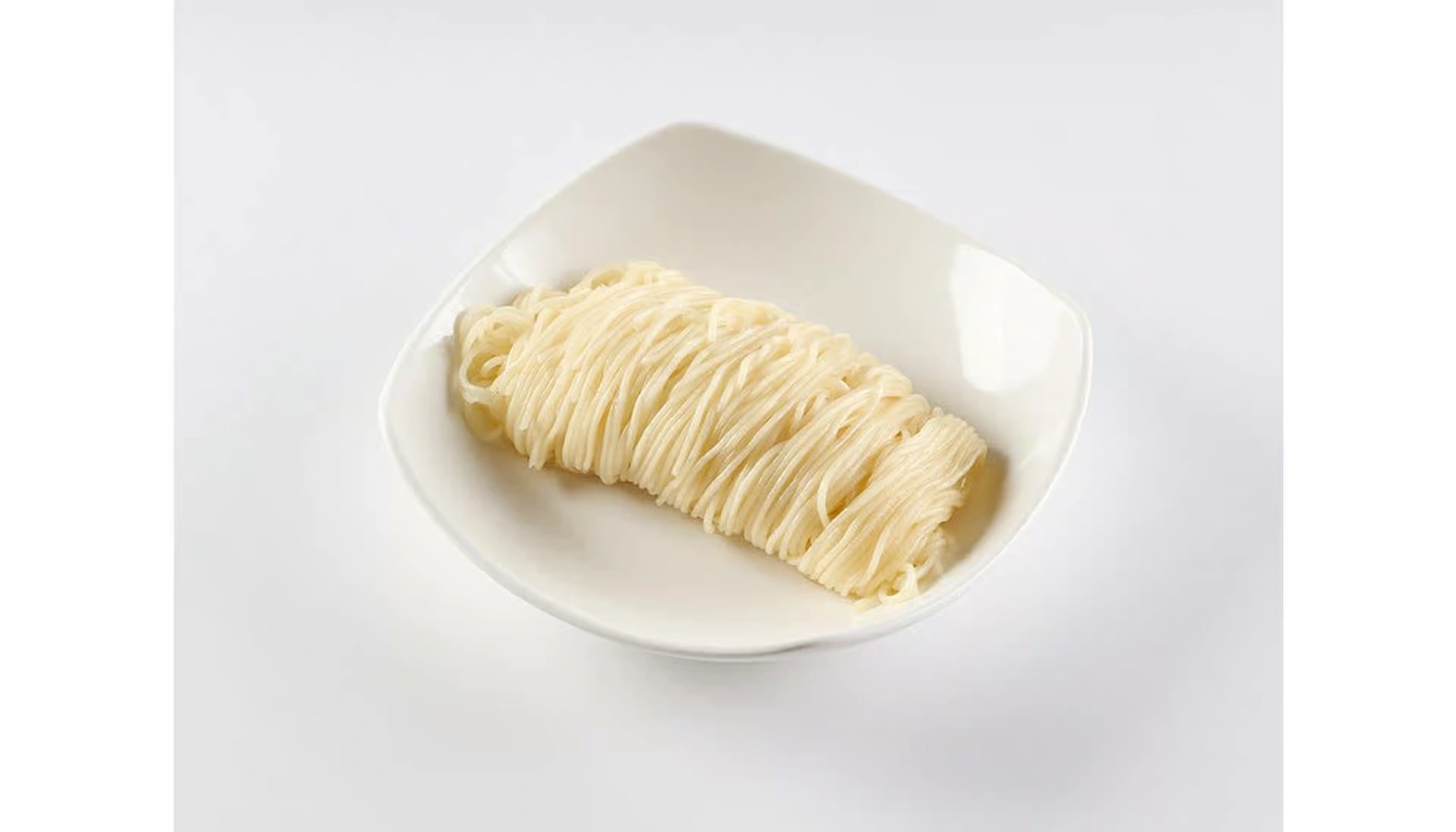
Two starch sides — White Rice ($3) and Plain Noodle ($3.95). Unsauced, unstyled, and the cheapest way to turn a wok dish into a full meal. The supporting cast of every Chinese dinner table.
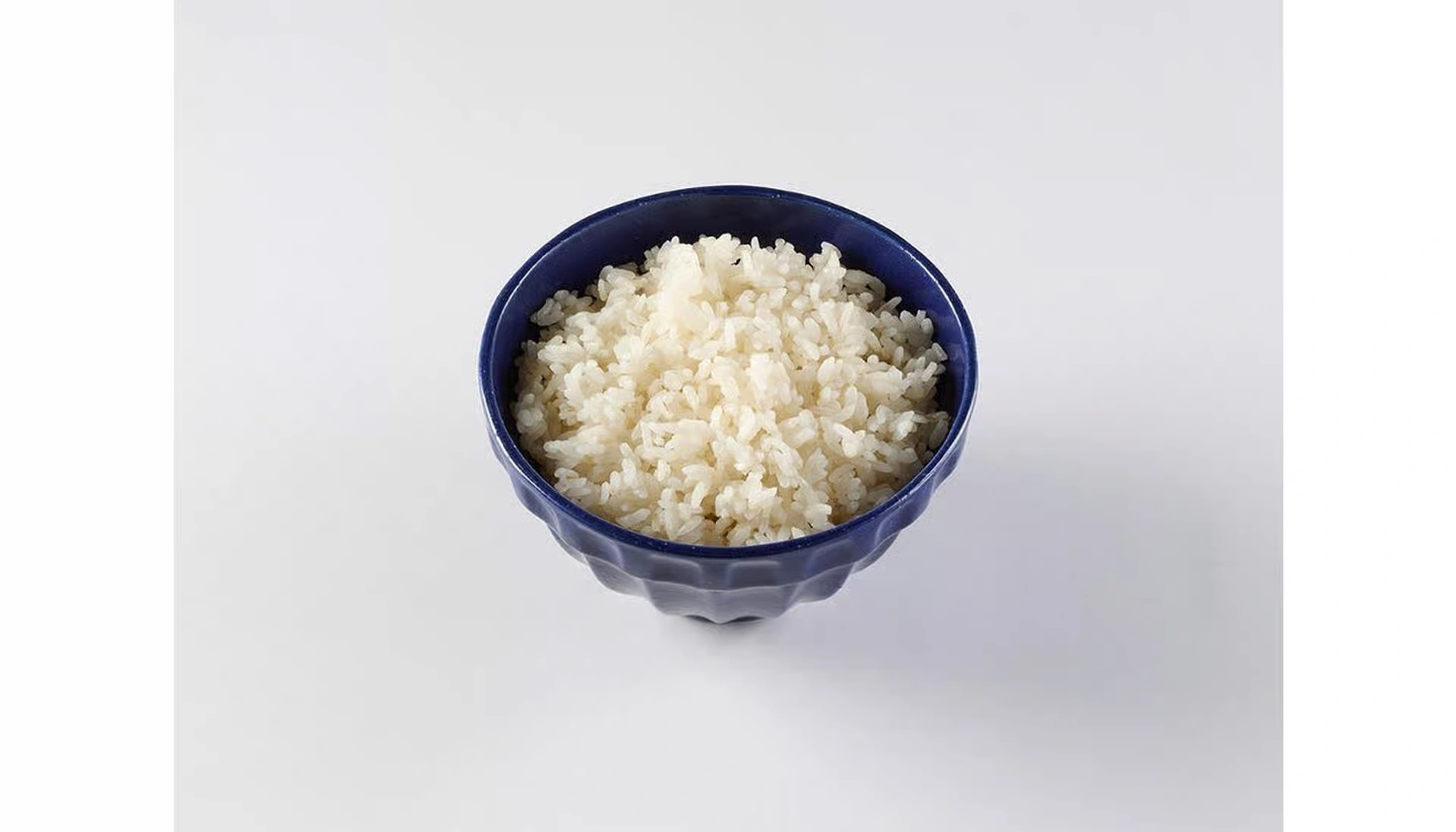
Two starch sides — White Rice ($3) and Plain Noodle ($3.95). Unsauced, unstyled, and the cheapest way to turn a wok dish into a full meal. The supporting cast of every Chinese dinner table.
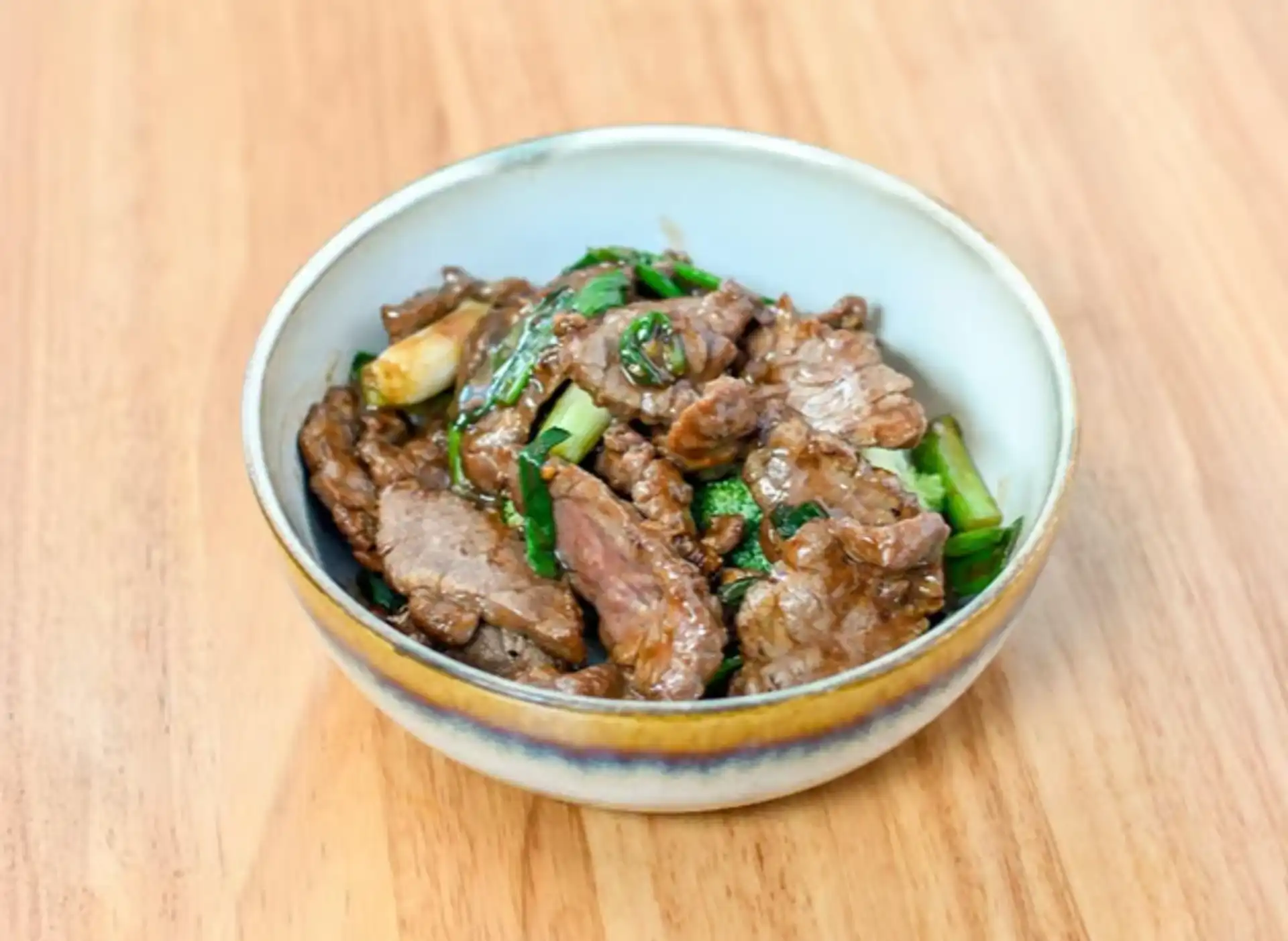
Sides at a Chinese restaurant aren't an afterthought — they're the structural foundation of how the rest of the food gets eaten. The wok dishes at Ugly Dumpling — Mongolian Beef, Kung Pao Chicken, Orange Chicken — arrive plated, sauced, and intentionally over-flavored. They're built to be eaten with rice, not by themselves.
Order a wok dish without White Rice and the seasoning hits too hard, the portion looks small, and you'll leave hungry. Add the $3 rice and the same dish stretches across two people, the salt-and-sweet balance lands right, and the sauce gets a vehicle to soak into. It's the most leveraged $3 you can spend on this menu.
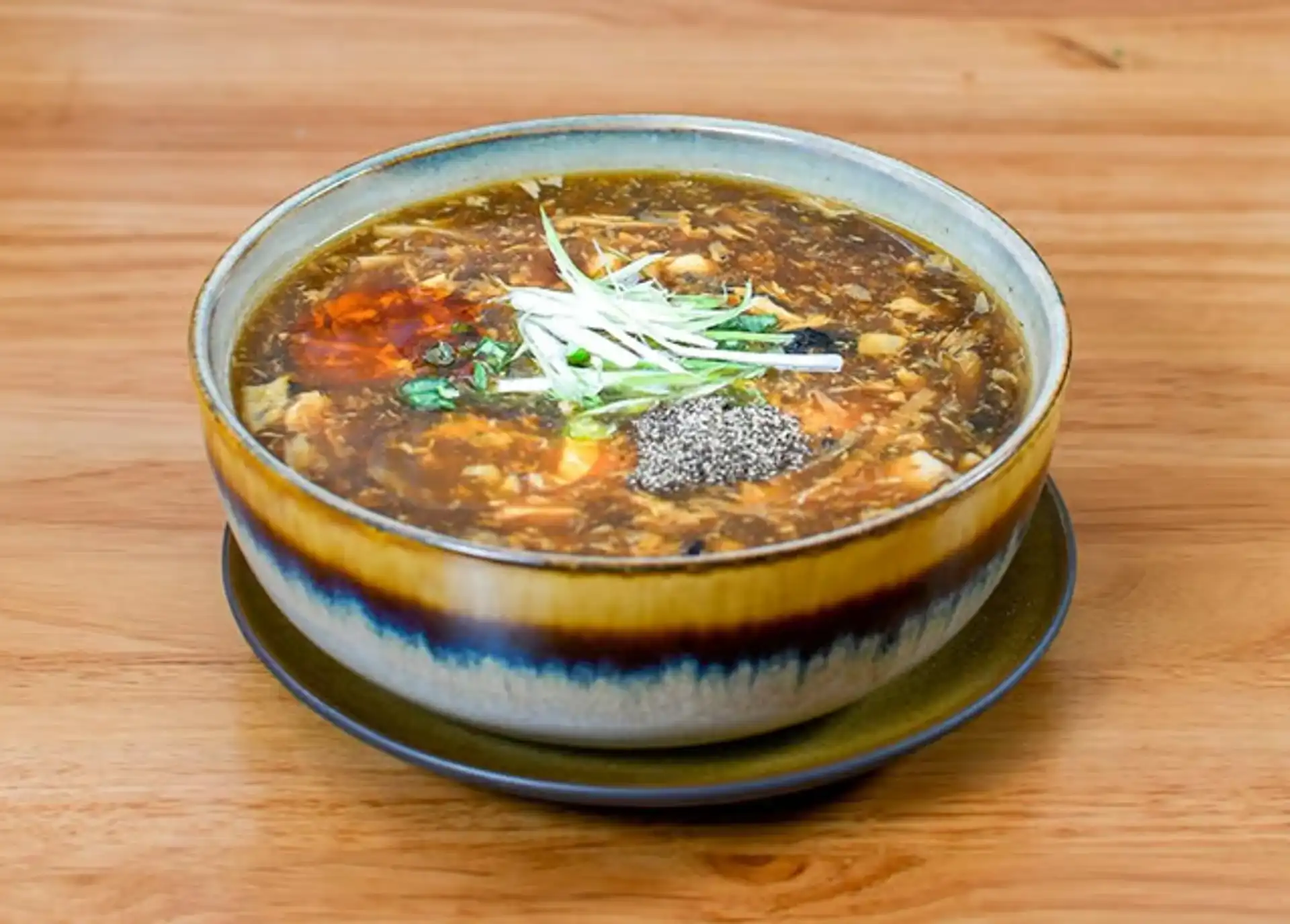
Plain Noodle is the same idea for a different table. Order it next to Hot & Sour Soup or Pork XLB and you've got a noodle-soup substitute for under $4. Or use it to mop up the last of a wok dish's sauce after the rice is gone.
Steamed long-grain jasmine rice. The default carrier for every wok dish on the menu. One bowl serves two if you're eating family-style.
View dish →Cooked Chinese-style egg noodles, served unsauced. Use to bulk a soup, drag through wok-dish sauce, or split between kids who want noodles instead of rice.
View dish →Carb, calories, what they pair with, and which to pick.
| Side | Carb | Texture | Pairs best with | ~Cal | Price |
|---|---|---|---|---|---|
| White Rice | Long-grain jasmine | Fluffy / separate grains | Wok dishes, curries, sauced proteins | 220 | $3.00 |
| Plain Noodle | Wheat egg noodle | Chewy / springy | Soups, broths, leftover stir-fry sauce | 320 | $3.95 |
Both are intentionally unsalted and unsauced — the dish next to them brings the seasoning.
Sides are the easiest line item to skip and the easiest one to regret skipping.
Wok dishes are sauced for portion-over-rice. Two diners ordering one wok entrée should always add one White Rice. Three diners, two rices.
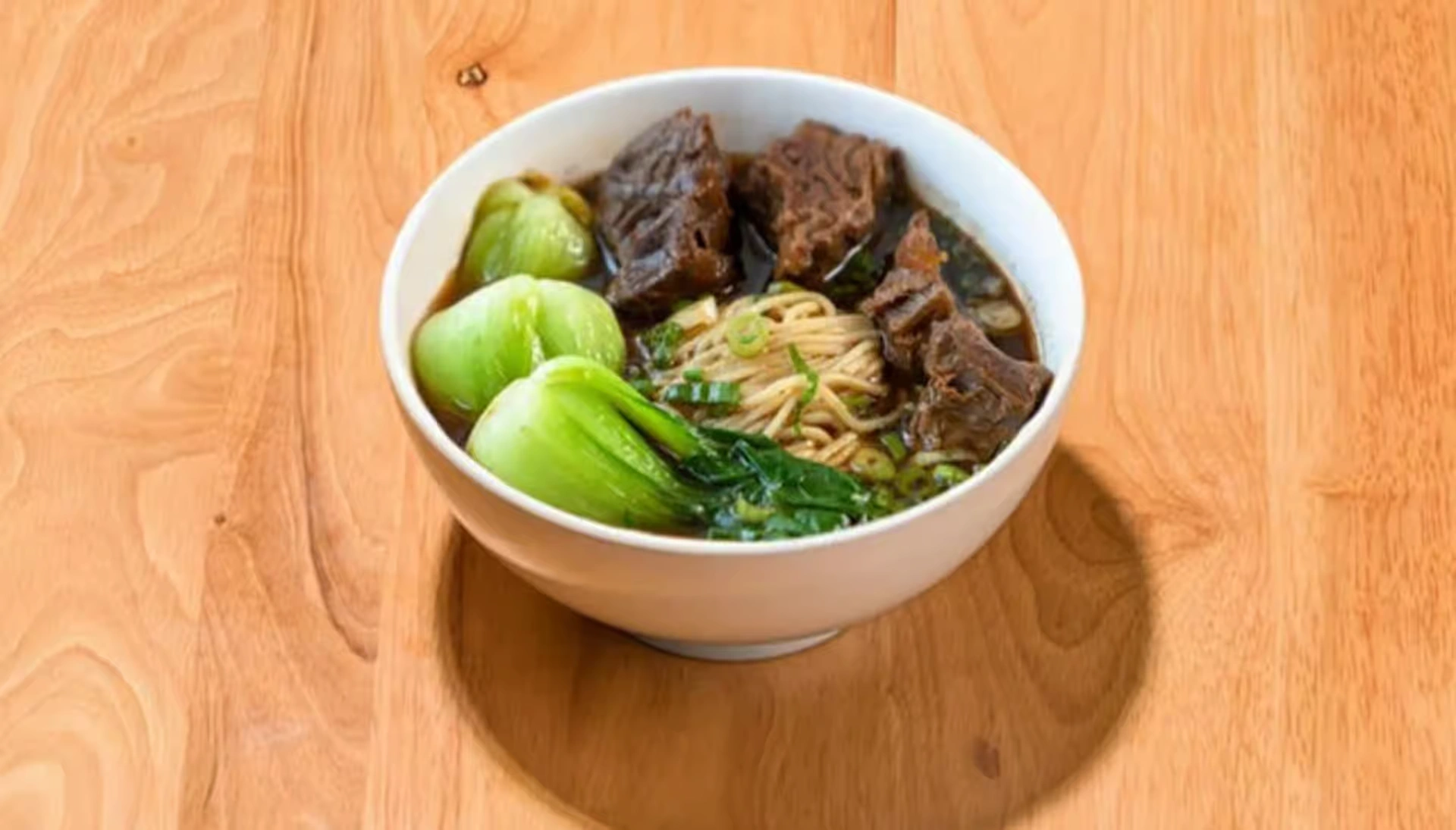
If you're ordering Braised Beef Noodle Soup or any single-bowl noodle dish, you don't need rice — the bowl already has its own carb.
Order a $5 Hot & Sour Soup + $3.95 Plain Noodle and you've built a noodle-soup lunch under $10. Drop the noodles in, ladle the broth on top.
The last 30% of a wok dish is sauce-heavy. Don't let it go back to the kitchen — spoon it onto your remaining rice. That's the bite the dish was designed to end with.
The jasmine rice at Ugly Dumpling is rinsed two-to-three times before cooking to wash away surface starch. The result is fluffy, distinct grains rather than the sticky clumps of short-grain Japanese sushi rice.
White Rice: No allergens — pure rice + water. Naturally vegan, gluten-free, dairy-free, nut-free.
Plain Noodle: Contains wheat and trace egg (most Chinese egg noodles are made with wheat flour and a small amount of egg). Not gluten-free; ask the kitchen if a vegan version (no-egg) is available — at most locations the answer is no.
Six common scenarios, and the right side for each.
Skip both — order Vegetable Fried Rice ($12) instead and let it serve as both starch and shared dish.
White Rice — Plain Noodle contains wheat, so rice is the only celiac-safe option.
For most of the 20th century, Chinese restaurants in the U.S. included a complimentary scoop of white rice with every entrée — the same way a steakhouse includes bread. The rice was free because the math worked: a $9 wok dish was profitable enough to absorb the rice cost, and it was understood that you couldn't really eat the entrée without it.
That changed in the 2000s as ingredient costs rose and portion sizes shrank. Most independent Chinese restaurants started charging separately for rice — typically $2–$4 for a small bowl. Online-order platforms accelerated this; rice became a deliberate add-on rather than a default. Diners who grew up assuming rice came free still occasionally bristle at the line item, but the new norm is here to stay.
Plain Noodle is a more recent menu addition, common at restaurants that lean into noodle dishes. It's the response to a specific request: "Can I just have noodles, not the soup, not the stir-fry?" The answer used to be no. Now it's $3.95.