Browse the Ugly Dumpling greens menu — Baby Bok Choy and Broccoli with Garlic. Both vegan, both stir-fried with garlic and a splash of soy. Simple, but not optional: a Chinese dinner without a green dish feels off the same way a Western steakhouse meal without a salad does.
Chinese family dining follows a logic that's different from American "appetizer / entrée / side". Every multi-dish meal is built around three components in balance: a protein (the wok dish or dumpling), a starch (rice or noodles), and a green — the small dish of stir-fried vegetable that cuts through the richness, settles the palate, and brings a fresh-crunch counterpoint to everything else on the table.
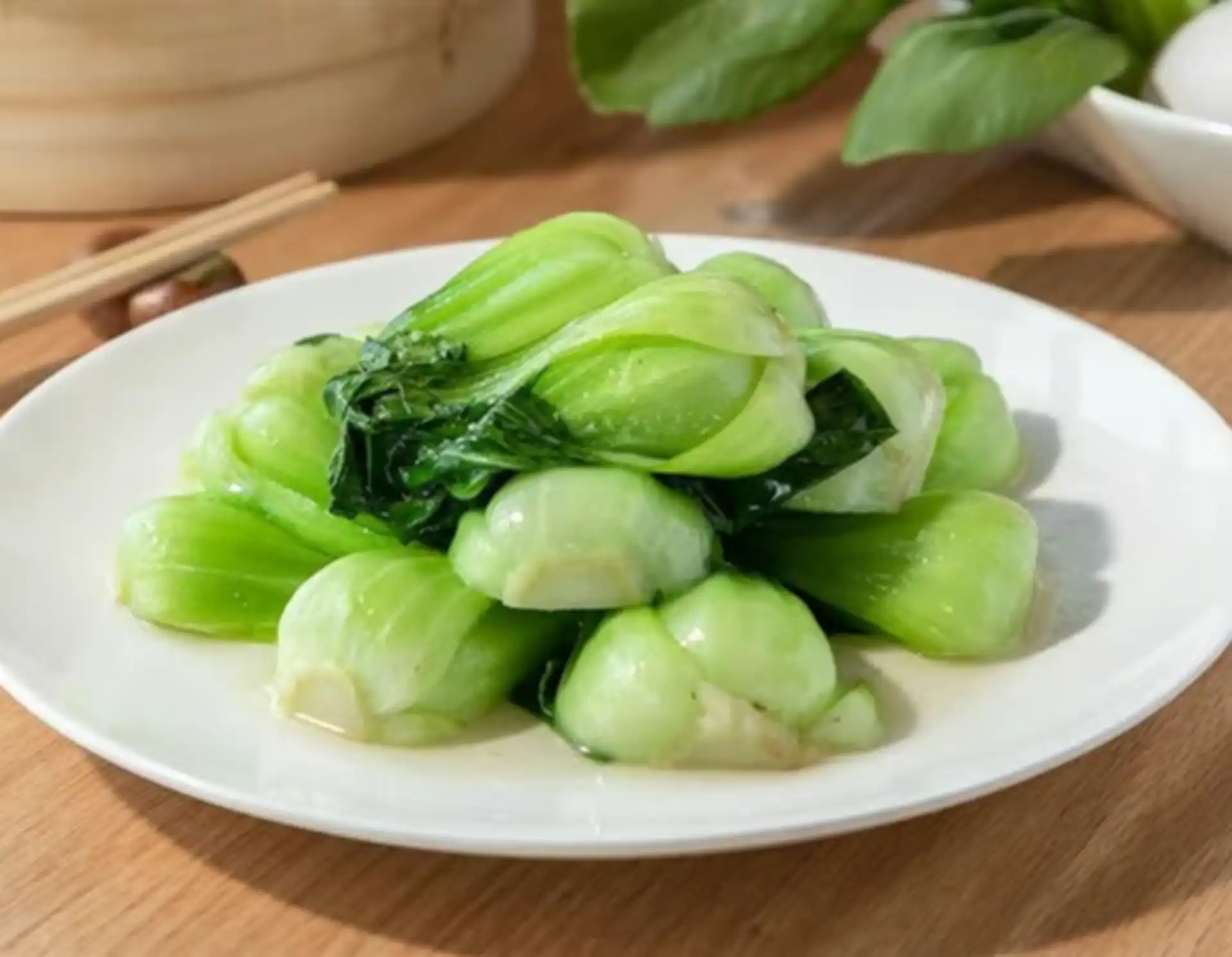
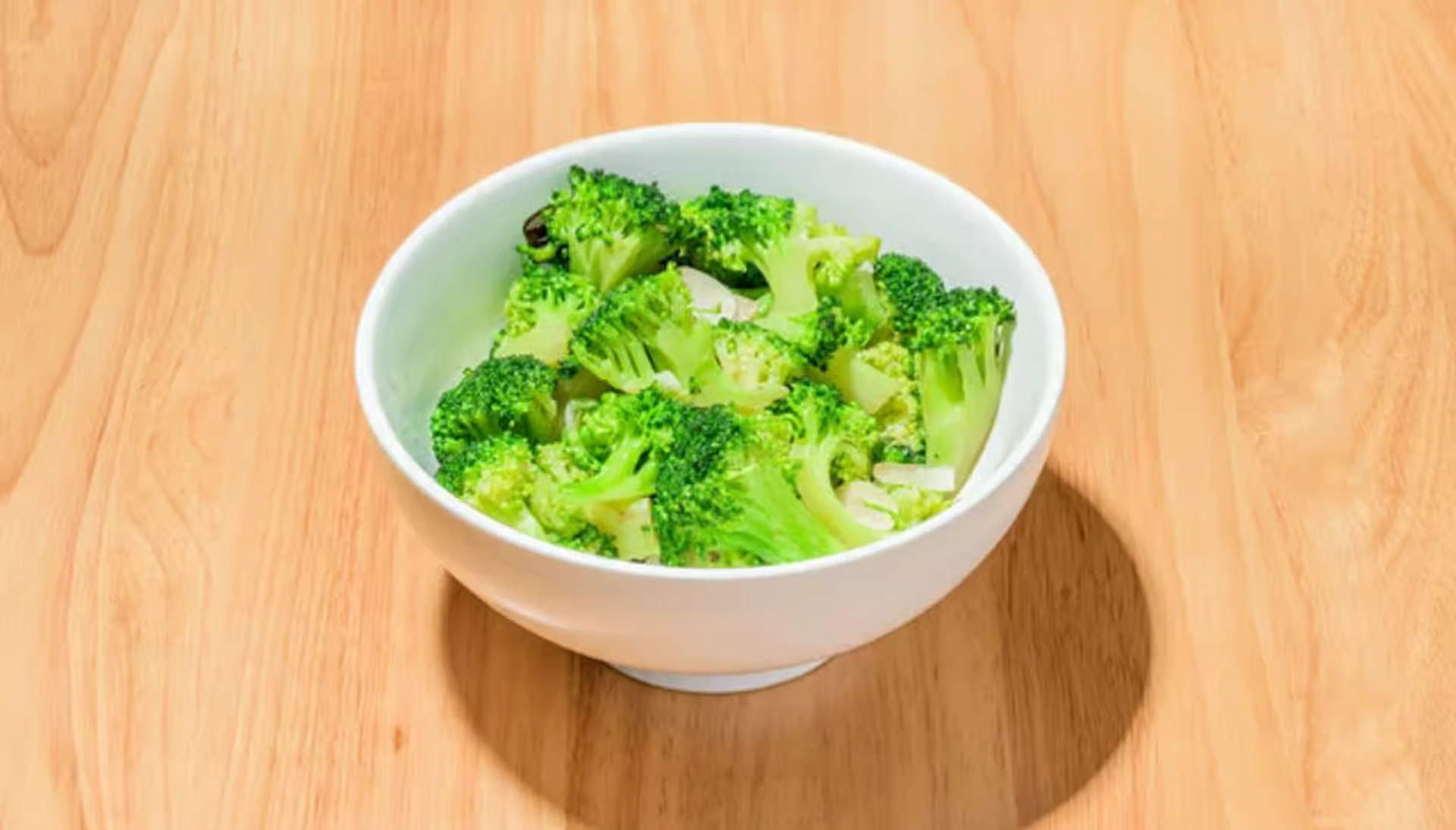
Ugly Dumpling's greens page is intentionally short — two dishes, both vegan, both built around the same garlic-stir-fry treatment that's been the Cantonese vegetable default for two centuries. Baby Bok Choy is the more "Chinese" of the two — tender Chinese green, mild and slightly peppery. Broccoli with Garlic uses American broccoli, which is sturdier and more familiar — it's the green that diners who didn't grow up with Chinese family meals tend to gravitate toward.
If you're ordering two-or-more wok dishes, dumplings or noodles, add one green dish. It's the difference between a meal that feels heavy halfway through and one that feels balanced from start to finish. Both greens come out of the wok in 90 seconds and arrive at the table while everything else is being plated.

Tender baby bok choy stir-fried with garlic in a light soy glaze. Crisp white stems, leafy green tops, the canonical XLB pairing.
View dish →
Fresh broccoli florets stir-fried with sliced garlic and a touch of soy. Familiar, hearty, the safe-pick green.
View dish →Vegetable, texture, sauce, calories and price.
| Dish | Vegetable | Texture | Sauce | Diet | ~Cal | Price |
|---|---|---|---|---|---|---|
| Baby Bok Choy | Chinese white-stem cabbage | Crisp stem / leafy top | Garlic / light soy | Vegan | 120 | $12 |
| Broccoli with Garlic | American broccoli | Sturdy floret / tender stem | Garlic / soy | Vegan | 160 | $11 |
Both dishes are stir-fried in neutral oil with sliced garlic. Soy sauce can be omitted on request for lower-sodium.
Greens are the most over-skipped course on Chinese-American menus. Four habits that change how the whole meal tastes.
Rule of thumb: if you've ordered three or more protein/starch dishes, add one green. Six-person tables typically need two greens.
Stir-fried greens are at their best in the first 3 minutes out of the wok. Take a serving early; once they cool, the texture goes soft and the garlic flavor dulls.
The garlic-soy reduction at the bottom of the plate is the dish's most concentrated flavor. Spoon it onto rice or use it as a dip for plain dumplings.
Pair Baby Bok Choy with delicate Cantonese dishes (XLB, dim sum, har gow). Pair Broccoli with Garlic with heavier wok dishes (Mongolian beef, kung pao, fried rice).
The recipe is brutally simple — and deeply learned. The Cantonese name is 蒜蓉炒 (suàn róng chǎo) — "garlic-paste stir-fry":
Both greens contain: soy (light soy sauce in the finish), garlic.
Both are vegan, egg-free, dairy-free, shellfish-free, nut-free.
For gluten-free, ask the kitchen to substitute tamari for soy sauce. The dish remains essentially the same — most diners won't taste the difference.
Six profiles, two greens, six clear answers.
Baby Bok Choy — the more elegant plate visually, tender stems, leafy presentation.
Broccoli with Garlic — sturdy enough to hold its own next to Mongolian beef or kung pao.
Order both ($23 combined) plus Vegetable Fried Rice for a full plant-based meal.
Bok choy (白菜 bái cài, "white vegetable") is a Chinese cabbage cultivar that's been farmed in the Yangtze delta for over 5,000 years. The "baby" version is harvested young — about 5–6 inches — for tenderness and a sweeter flavor. It's the green that defines the Cantonese garlic-stir-fry tradition; you'll see it on the table at every dim sum house from Hong Kong to San Francisco.
Broccoli, by contrast, is a New World ingredient by Chinese-restaurant standards. The familiar American broccoli was developed from Italian wild cabbages in the 1700s and didn't enter Chinese kitchens until U.S. immigrant chefs in the 1950s started using it as a stand-in for Chinese gai lan (broccoli rabe). It's the dish that bridges Chinese and American palates — recognizable to U.S. diners while still treated with classical Cantonese technique.
Ugly Dumpling carries both because they serve different roles. Baby Bok Choy is the traditionalist's pick, the green you order when you want to eat the way someone in Shanghai or Hong Kong would. Broccoli with Garlic is the diplomat's pick, the green that lets the table include skeptical diners without negotiation.