Category · 6 dishes

Ugly Dumpling Dim Sum Menu — Dumplings, Pork Buns & Shumai (2026).

Browse the Ugly Dumpling dim sum menu — pan-fried pork buns with crisp golden bottoms, three classic dumpling fillings (pork, chicken and vegan), open-topped pork & shrimp shumai and the translucent shrimp dumplings the Cantonese call har gow. Six shareable dishes designed for the table.
6 dishes$7 – $11Cantonese traditionSteamed & pan-fried
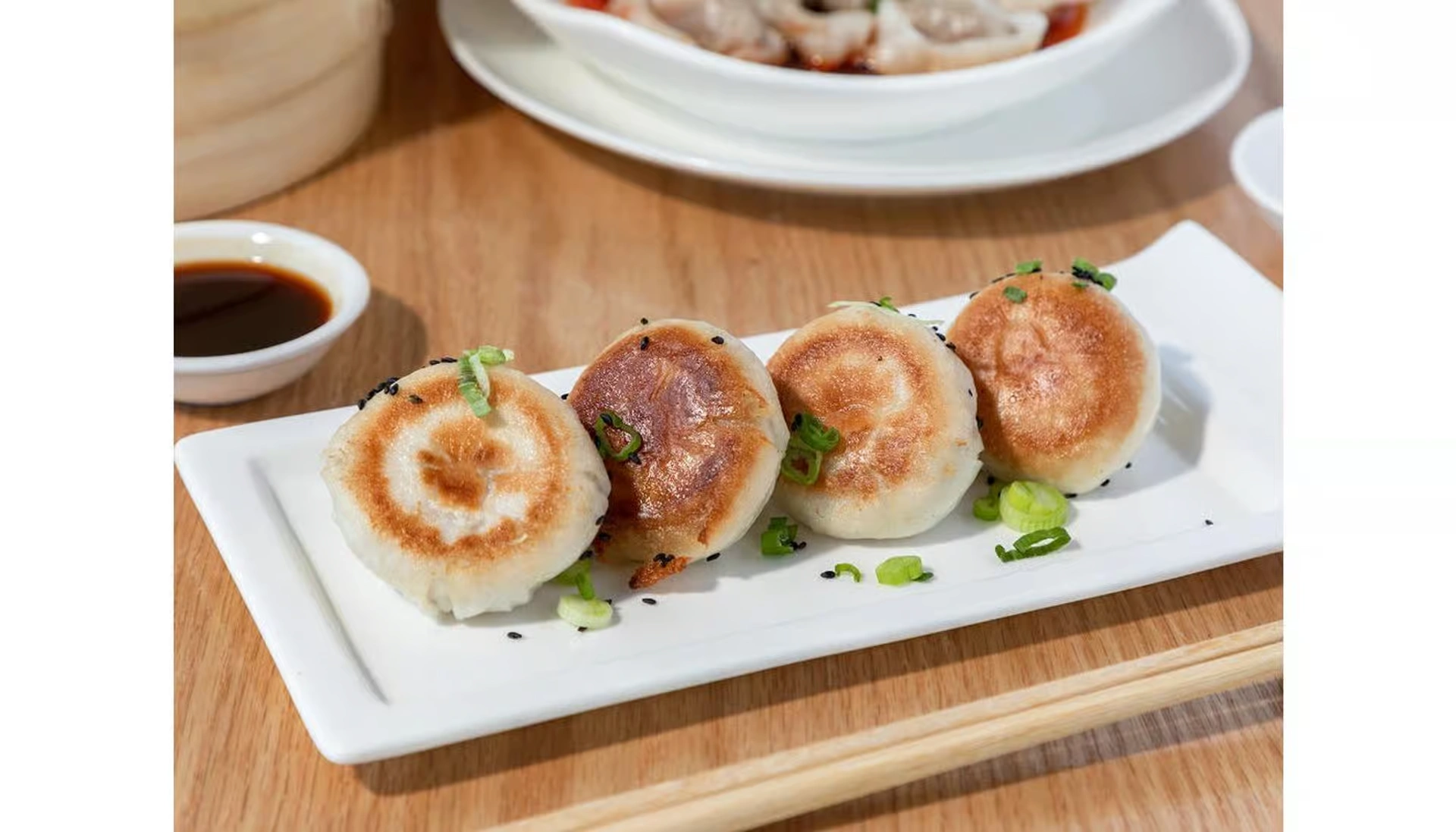
Pan-fried pork buns with golden crisp bottoms
Category overview

Ugly Dumpling dim sum — pork dumplings, shumai & pan-fried buns.

Dim sum (點心) — literally "touch the heart" — is the Cantonese teahouse tradition of small, sharable bites served alongside hot tea. While a true Hong Kong cart service can fill a hundred-page book, Ugly Dumpling focuses on the six dishes a Cantonese aunt would actually defend: pan-fried pork buns, three closed-pleat dumplings, open-topped shumai and the translucent har gow.

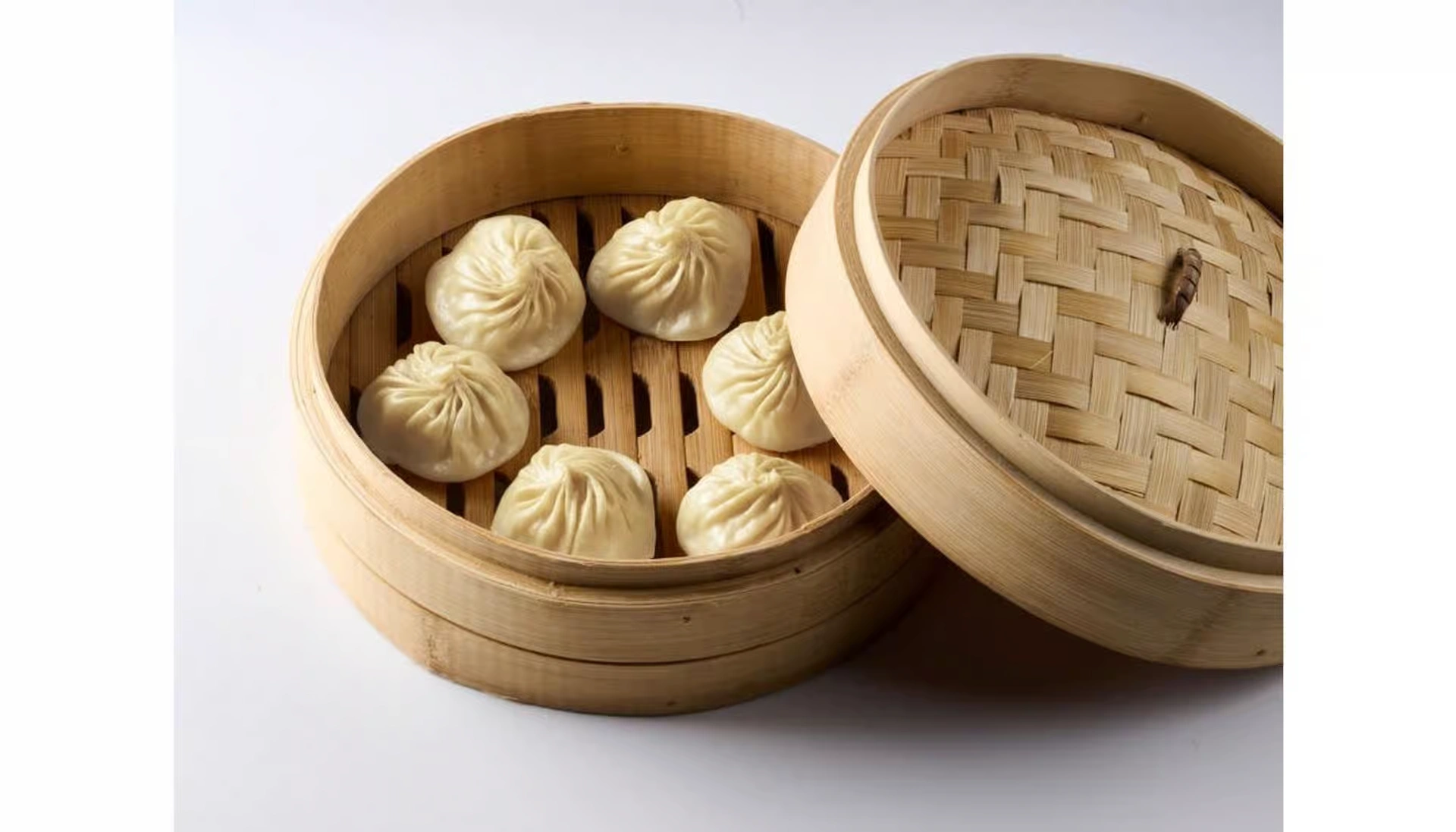
The structural distinction here matters. Pan-fried pork buns (shengjianbao in Shanghainese, sister to the southern char siu bao) are leavened-dough buns crisped on one side and steamed on the other — three pieces, $7. Pork, Chicken and Vegan dumplings are the closed-pleat jiaozi family — six pieces of seasoned filling sealed in wheat-flour wrapper, $9 each. Shumai are the open-topped Cantonese classic — pork and shrimp with a wheat wrapper that's pleated like a money bag, $10 for four. And the shrimp dumplings are har gow: whole shrimp wrapped in a translucent wheat-starch skin so you can see the pink filling glow through — $11 for six.

If you're new to the category, three orders feeds two people. Most regulars build a table around pan-fried pork buns, one closed-pleat dumpling and one open-topped (shumai or har gow) — three textures, three temperatures, three price points.

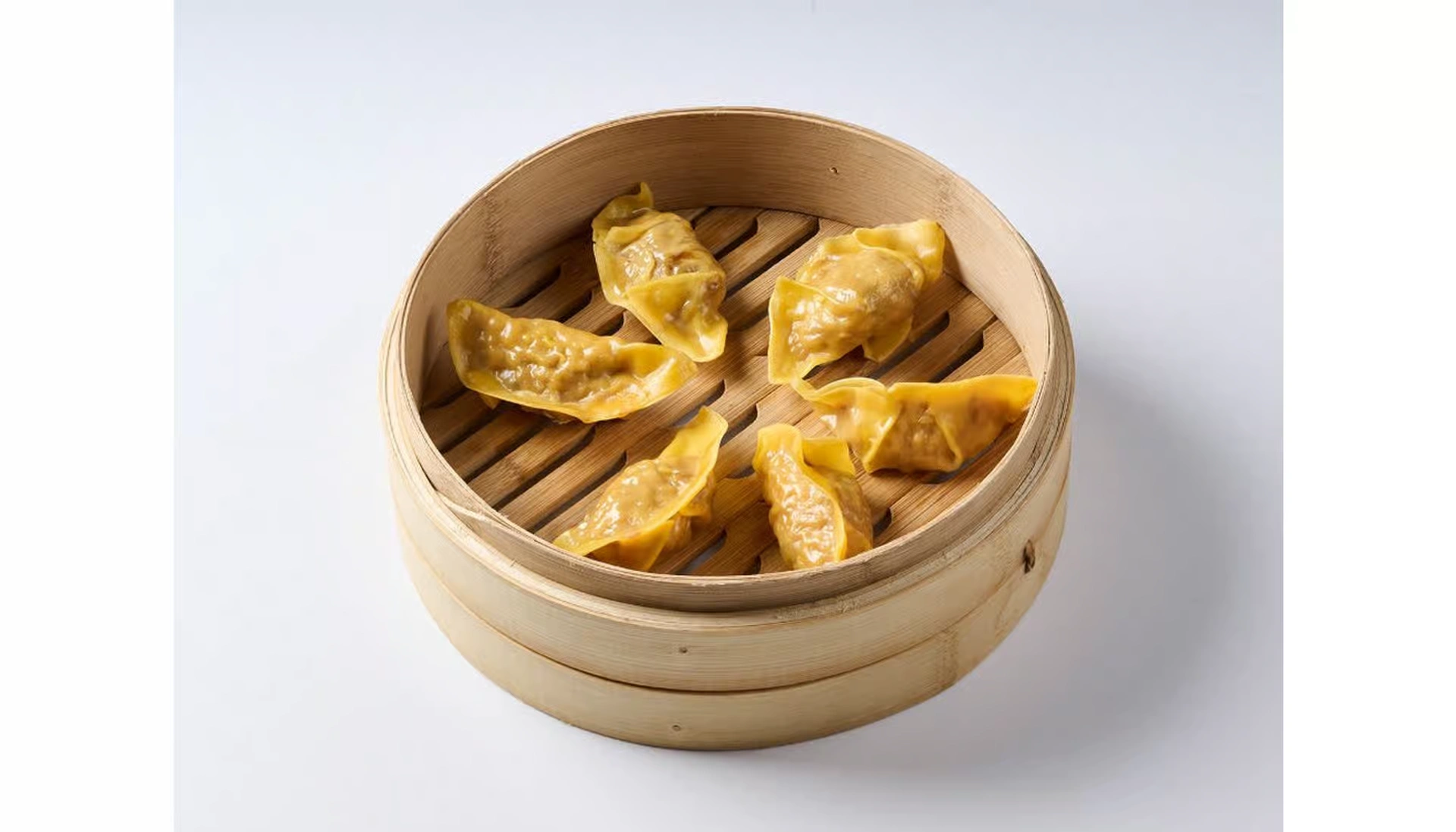
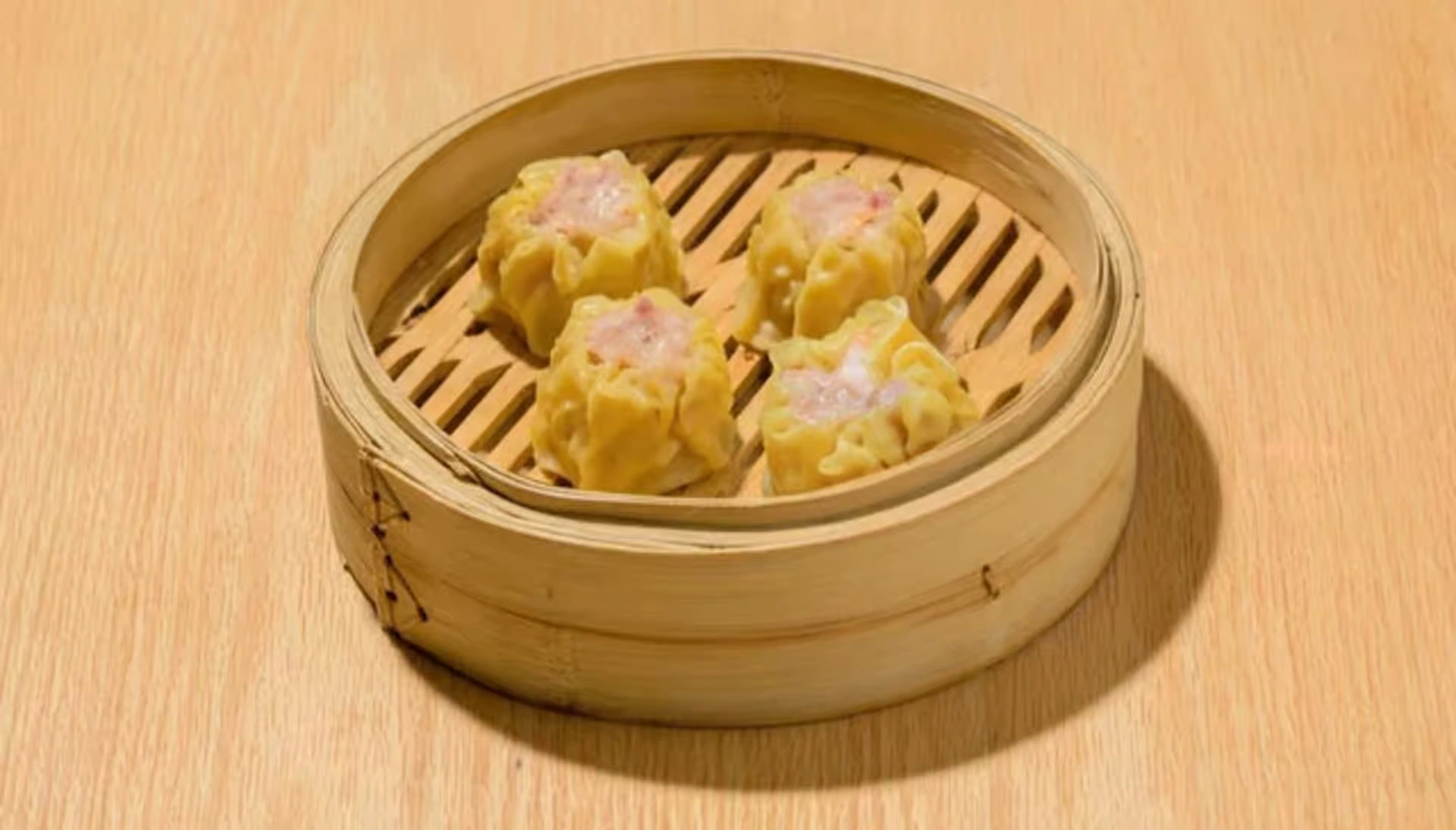
Pork and shrimp shumai with open-topped wrapper
All 6 dim sum dishes

Every Ugly Dumpling dim sum dish with 2026 prices.

Ranked by popularity. Tap any card for ingredients, calories, allergens and pairings.

Side-by-side

Compare every Ugly Dumpling dim sum dish.

Wrapper style, cooking method, filling, calories, pieces and price — all six dim sum items at a glance.

DishStyleCookingFillingWrapper~CalPiecesPrice
Pan Fried Pork BunsBun (shengjianbao)Pan-fried + steamedSeasoned porkLeavened dough5403$7
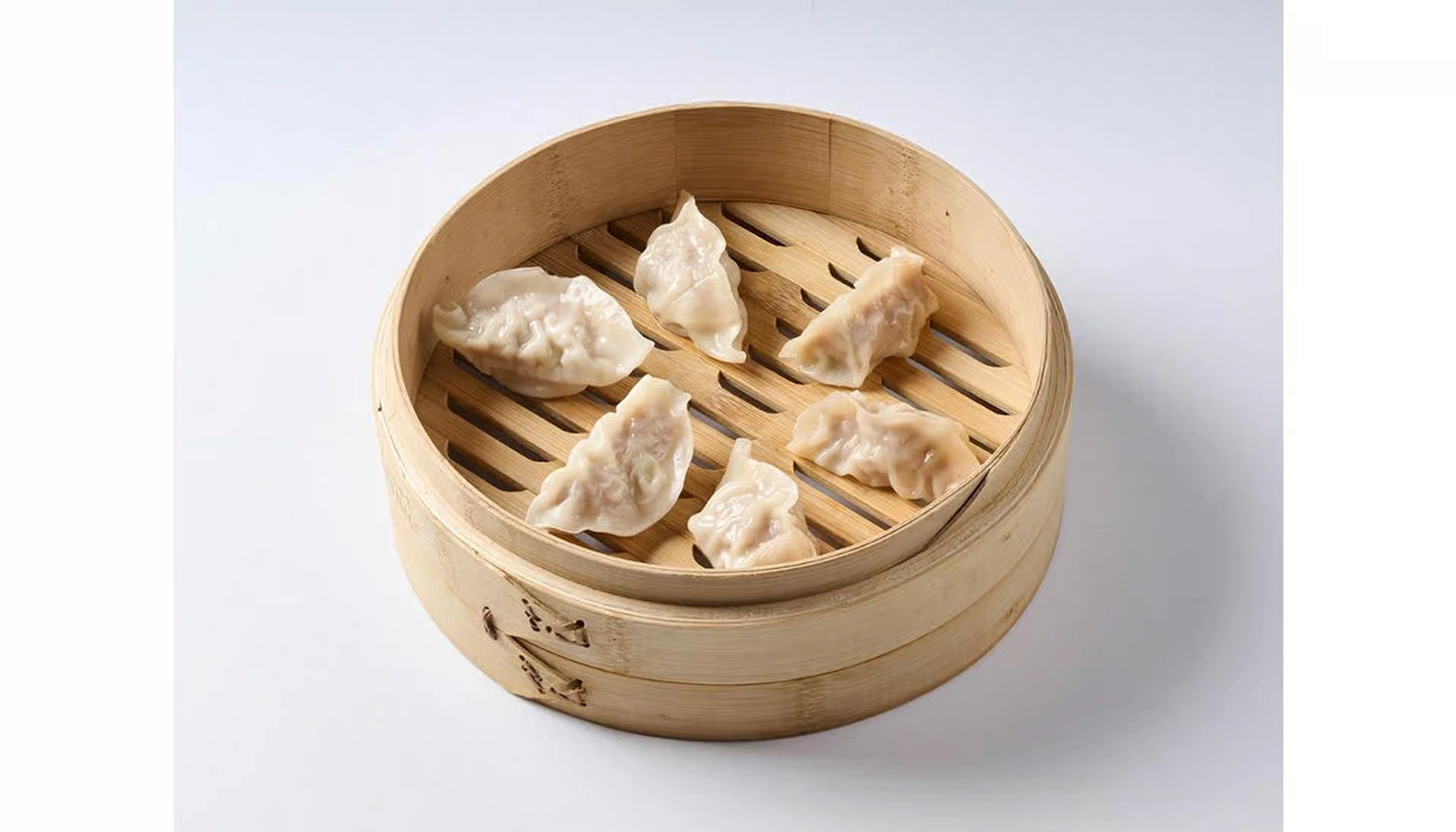
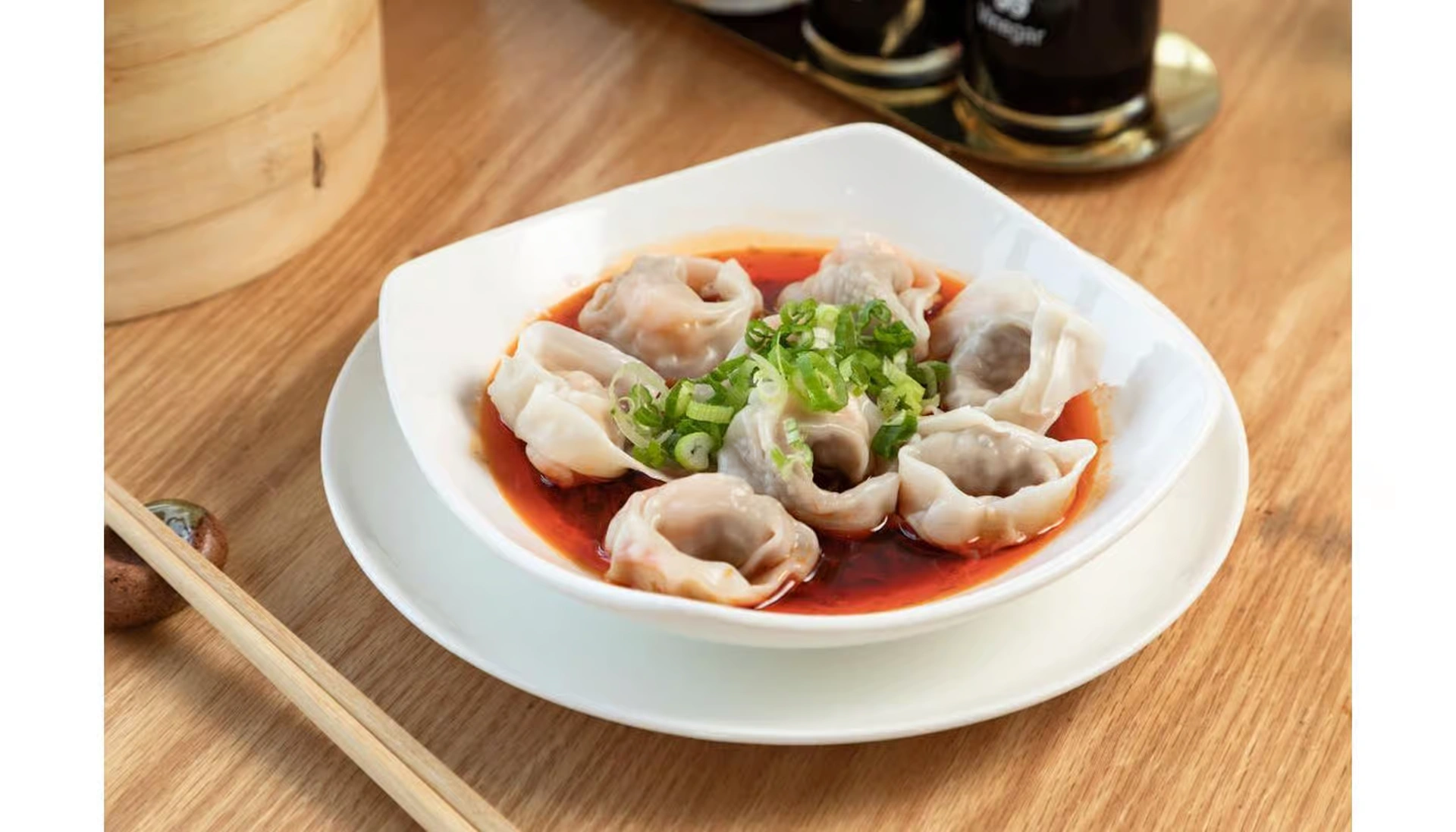
Pork DumplingsJiaozi (closed)SteamedPork, ginger, scallionThin wheat3906$9
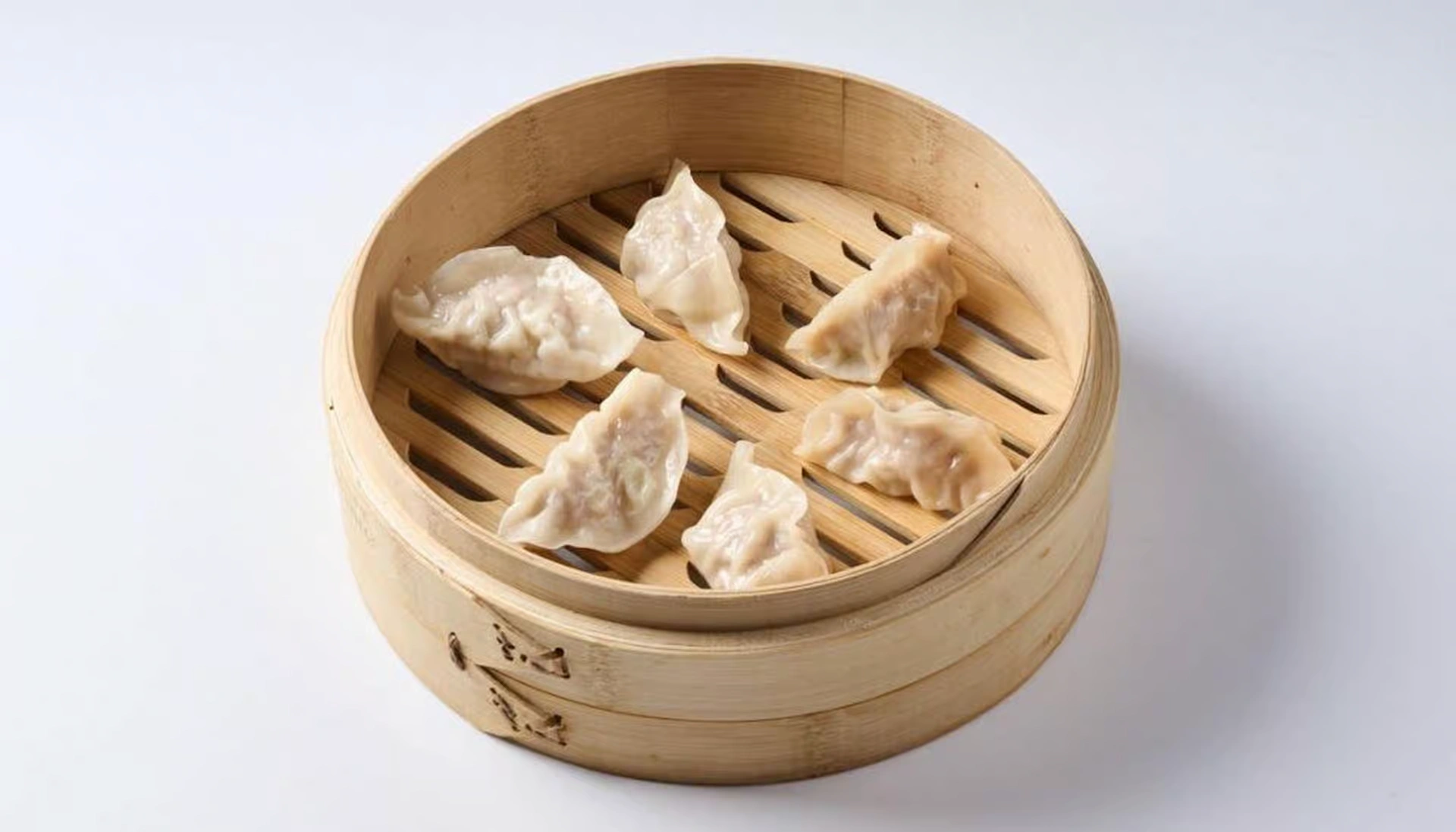
Chicken DumplingsJiaozi (closed)SteamedSeasoned chickenThin wheat3606$9
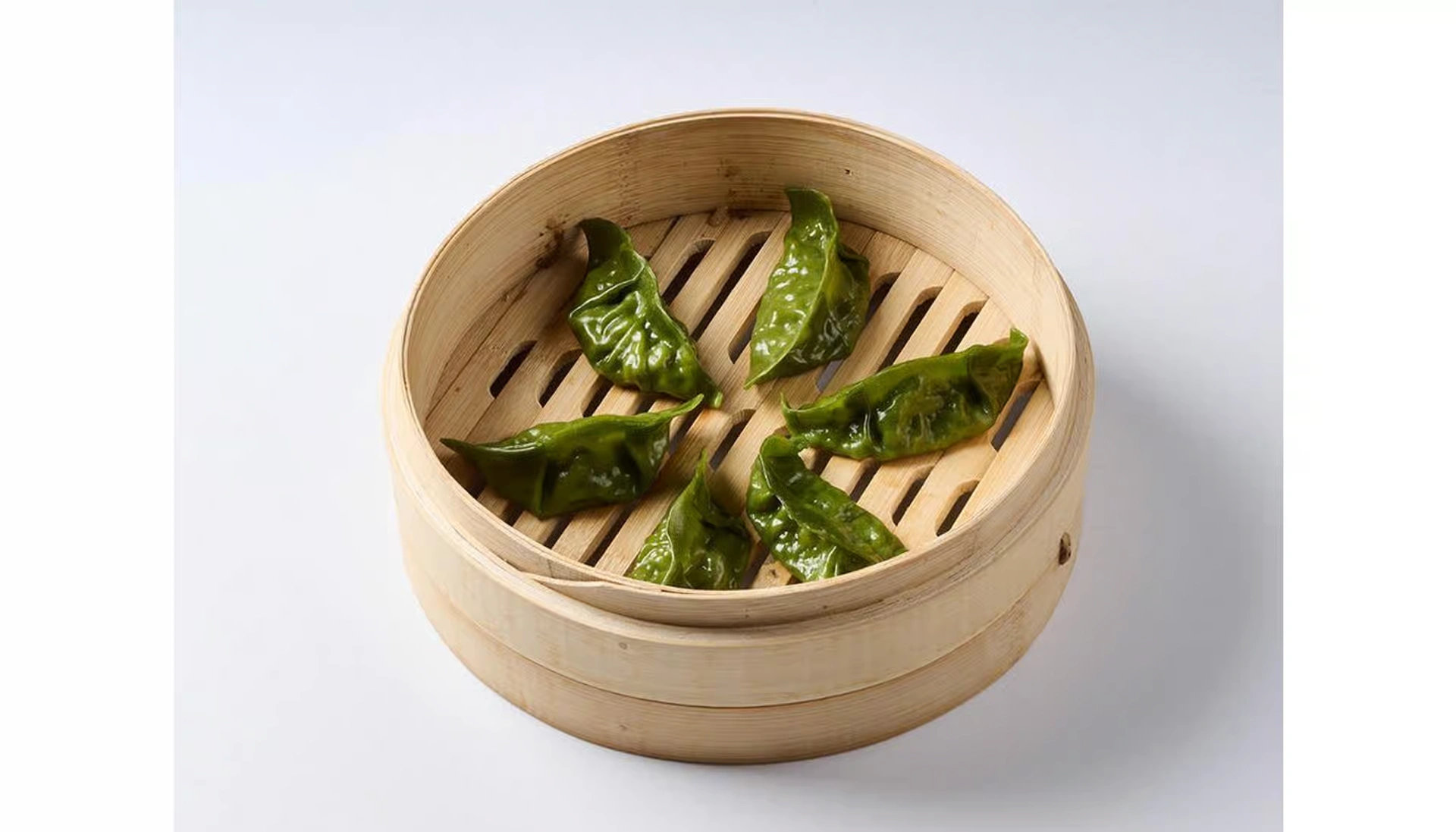
Vegan DumplingsJiaozi (closed)SteamedMixed vegetablesPlant-based3206$9
Pork & Shrimp ShumaiShumai (open)SteamedPork + shrimpPleated wheat3404$10
Shrimp Dumplings (Har Gow)Har gow (translucent)SteamedWhole shrimpWheat-starch3006$11

Calories are approximate per full order. The pan-fried buns rank highest because of the leavened dough and pan-fry oil.

The Cantonese way

How to actually eat dim sum.

Dim sum is the only Chinese course where pacing, sauce and tea pour are part of the meal. Four small habits make every order taste right.

1

Order in waves, not all at once

Dim sum is meant to be paced. Order two or three plates, eat them, then order the next round. Every dish tastes best the first 30 seconds out of the steamer.

2

Mix your sauces

Soy + a touch of black vinegar + chili oil is the universal table mix. Use a small drop of sesame oil for shumai, more vinegar for steamed pork, and a pure soy/chili dip for har gow so the shrimp shows through.

3

Pan-fried bun: bite the top first

Like soup dumplings, pan-fried pork buns hold a small reserve of broth in the leavened dough. Bite a small vent at the top, sip, then finish in two bites — the crisp side last.

4

Tap the table for tea

When someone refills your tea cup, tap two fingers on the table — a quiet thank-you that survives from Qing Dynasty teahouses. It's the one dim sum etiquette move worth knowing.

The good stuff

What to know before you order.

The dipping sauce playbook

Dim sum doesn't have one universal sauce — each dish prefers a slightly different blend.

  • Pork dumplings & shumai — soy + black vinegar + chili oil (2:1:dot)
  • Har gow (shrimp) — straight soy with a drop of chili oil; vinegar overwhelms the sweet shrimp
  • Pan-fried pork buns — black vinegar + ginger, like soup dumplings
  • Vegan dumplings — soy + sesame oil; the savoriness of soy carries the vegetables

Pairing suggestions

  • Pan-Fried Pork Buns + Pork XLB — pillow-and-broth tasting flight, two textures of pork dumpling.
  • Shrimp Dumplings + Baby Bok Choy — a clean, light, all-shellfish-and-greens lunch.
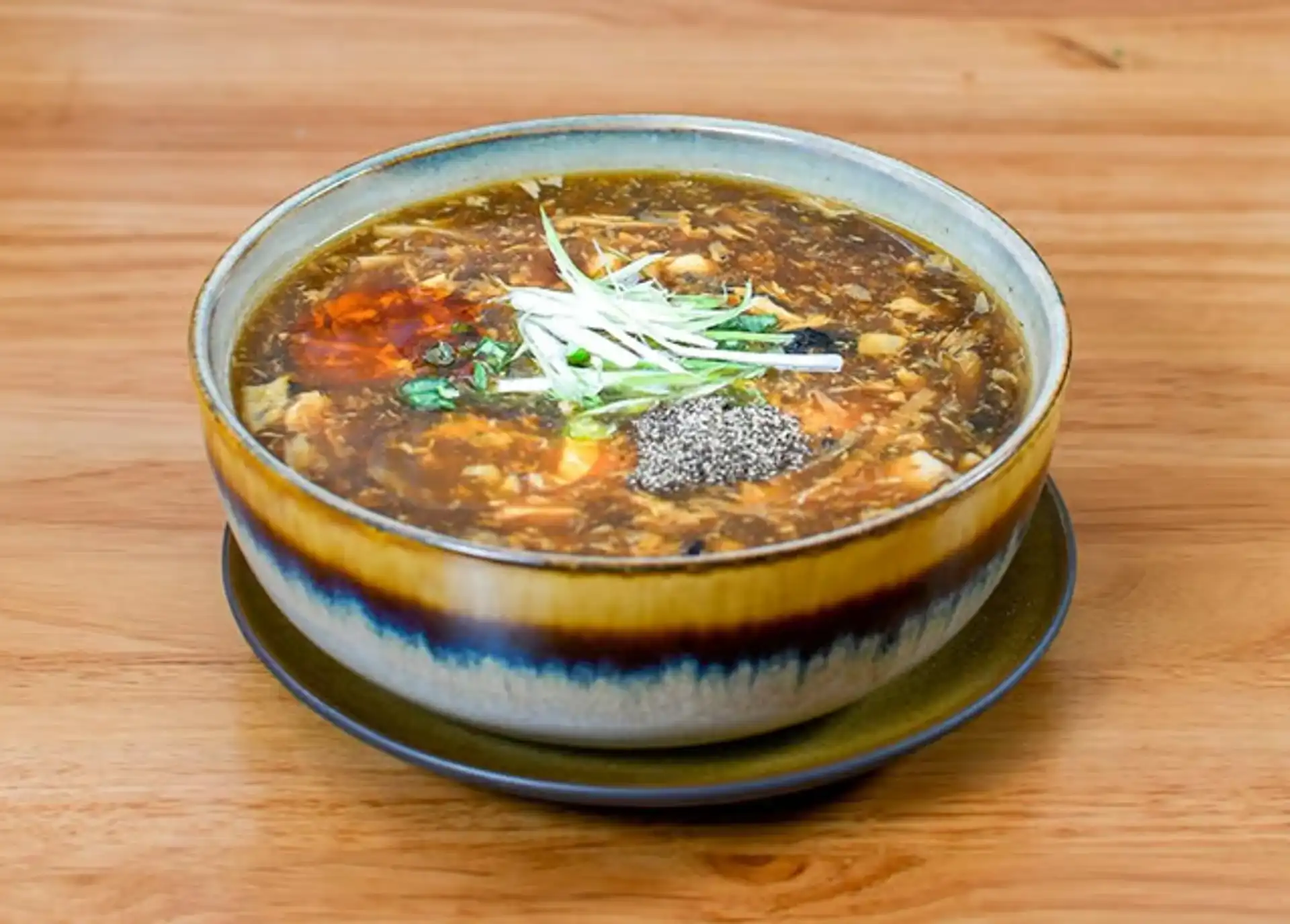
  • Pork Shumai + Hot & Sour Soup — Cantonese steamer + Sichuan soup, the classic crossover combo.
  • Vegan Dumplings + Broccoli with Garlic — a fully plant-based small plate dinner.

Allergen quick reference

All dim sum (except vegan) contain: wheat (wrapper), soy (filling seasoning).

Shumai & shrimp dumplings: shellfish · Pan-fried buns: sesame (topping) · Chicken dumplings: no shellfish, no pork.

Vegan Dumplings are the only fully plant-based option — they still contain wheat and soy. None of the dim sum lineup is currently gluten-free; har gow is wheat-starch based and still tests positive for gluten cross-contact.

Portion & ordering math

  • One person, light lunch: 1 dumpling order (6 pcs) + tea — about $10
  • Two people, full meal: 1 buns + 1 dumpling + 1 har gow or shumai — $26–$28
  • Family of 4: 2 dumplings + 1 buns + 1 shumai + 1 har gow + a green — $50
  • Mixed dietary table: Add Vegan Dumplings + Chicken Dumplings to cover plant-based and pork-free in one order
Best for...

Which dim sum dish should you order?

Six quick decisions for six common diner profiles.

Best for first-timers

Pan-Fried Pork Buns ($7) — three pieces, lowest price, the easiest "wow" dish on the menu.

$

Best value

Pork Dumplings ($9) — six closed-pleat dumplings, the lowest cost-per-bite of the steamed group.

Best for date night

Har Gow ($11) — translucent wrappers, whole shrimp, the photogenic premium dish.

Best pork-free

Chicken Dumplings ($9) — same six-piece comfort, no pork.

🌱

Best vegan

Vegan Dumplings ($9) — the only fully plant-based dumpling on the menu.

Best for sharing

Pork & Shrimp Shumai ($10) — four open-topped pieces, easy to split four ways at a table.

Translucent shrimp har gow on bamboo
A short history

From Cantonese teahouse carts to a steamer in New Jersey.

Dim sum grew out of the yum cha ("drink tea") tradition along the Silk Road, where travelers stopped at roadside teahouses for small bites alongside their tea. By the time the practice anchored itself in Guangzhou and Hong Kong in the 19th century, the small-plate format had crystallized into the cart-service tradition that defined Cantonese restaurants for the next hundred years.

The classic Cantonese "Four Heavenly Kings" of dim sum are shumai, har gow, char siu bao and egg tarts. Ugly Dumpling carries the first two — Pork & Shrimp Shumai and Shrimp Dumplings (Har Gow) — and substitutes its own pan-fried pork bun for the steamed char siu bao, a Shanghainese cousin known as shengjianbao. The dessert side moves to contemporary American sweets rather than the traditional egg tart.

What's distinctive at Ugly Dumpling: the kitchen serves Cantonese dim sum and Shanghainese soup dumplings under one roof. Most dim sum houses pick a region; here the steamer rotates between traditions, and the table can mix har gow with xiaolongbao in a way that's only typical of large urban Chinatowns.

FAQs

Ugly Dumpling Dim Sum Menu — Frequently Asked Questions

What's the difference between dim sum and dumplings?
Dumplings are a single category — flour-wrapped parcels of filling. Dim sum is a Cantonese tradition that includes dumplings, buns, shumai, rolls, custards and tarts as small shared plates served with tea. Every dumpling can be dim sum; not every dim sum is a dumpling.
What's the difference between shumai and har gow?
Shumai are open-topped, cylinder-shaped, with a thicker pleated wheat wrapper and a pork-and-shrimp filling. Har gow are sealed, pillow-shaped, with a translucent wheat-starch wrapper showing whole shrimp inside. Same family, opposite silhouettes.
Can I order dim sum if I don't eat pork?
Yes. Chicken Dumplings, Vegan Dumplings and Shrimp Dumplings are all pork-free. Pan-fried pork buns, pork dumplings and pork & shrimp shumai contain pork.
How is dim sum cooked at Ugly Dumpling?
All dumplings (pork, chicken, vegan, shrimp) and the shumai are bamboo-steamed. The pan-fried pork buns are first crisped on a flat-top in oil, then finished with a splash of water under a lid so the bottom stays crisp while the top steams. Each order is cooked to ticket — never microwaved or pre-batched.
What tea goes with dim sum?
Traditionally, pu-erh with rich/oily dishes (pan-fried buns, shumai), jasmine with seafood (har gow), and oolong as a neutral all-rounder. At Ugly Dumpling the table tea defaults to a Chinese green or oolong; iced tea, jasmine and oolong are also on the beverages menu.
Are leftovers any good?
Steamed dim sum re-steams reasonably well — 4 minutes in a steamer or covered pot brings them back. Microwaving turns the wrappers gummy and dries the filling. Pan-fried buns lose their crisp side completely as leftovers; eat those in the restaurant.

Six dim sum classics under twelve dollars. Build your steamer.

Start with Pan-Fried Pork Buns →